Preserving History One Building at a Time

Monday, August 11, 2014

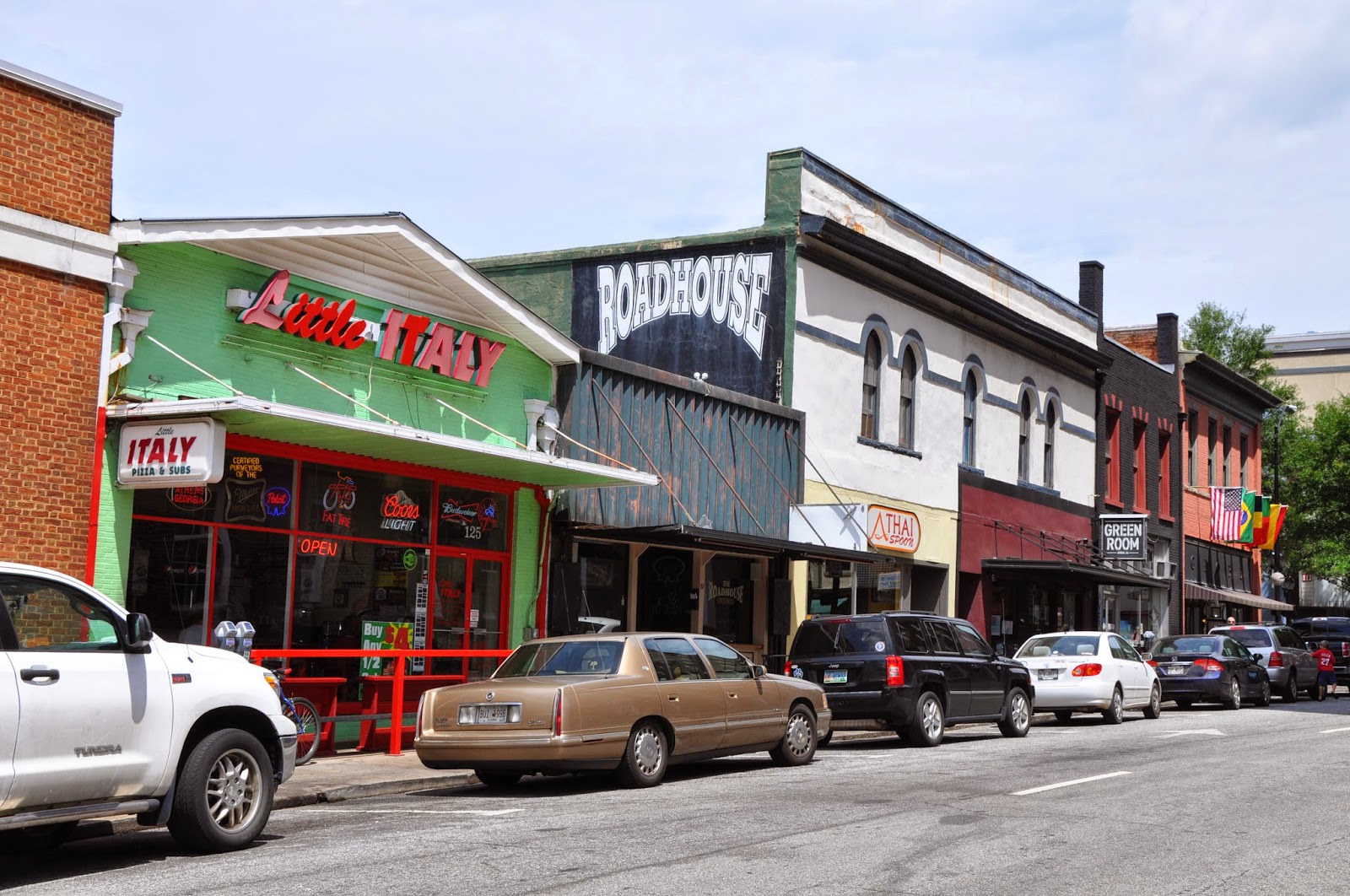
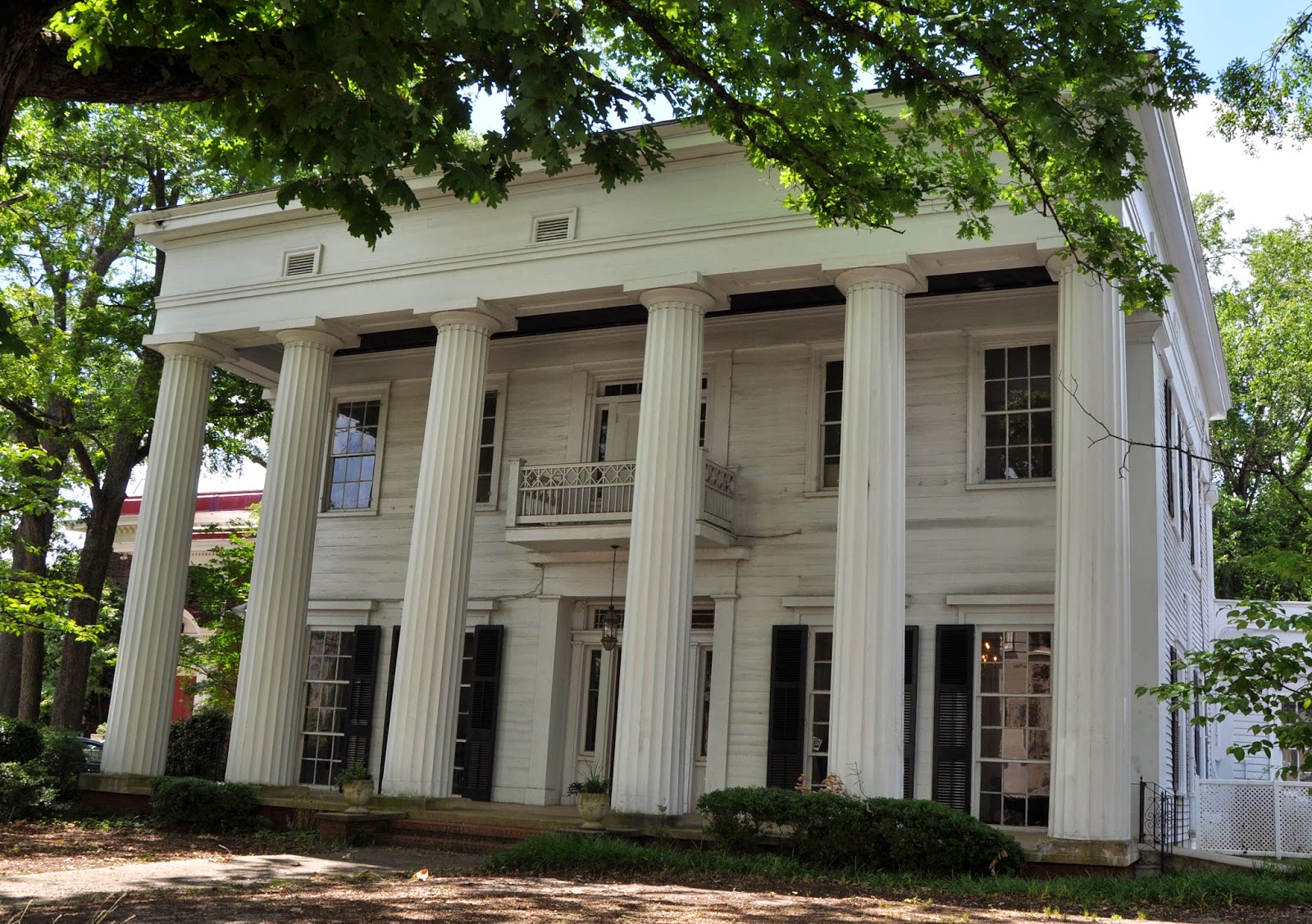
Posted by Debby Yoder, ATHENS, GA – The City of Athens embraced historic preservation in the 1980s when R.E.M., the B-52’s, and the Indigo Girls where making Athens a music epicenter and much of the country was tearing down old building. The well-preserved buildings provide a peaceful balance for the energy and exuberance of college students on their own for the first time. There is both a sense of history and a look toward the future. Many of the buildings have signs for more than one business- the original and the current. Some date from the mid-1800s while others have recently filled what little space remains.

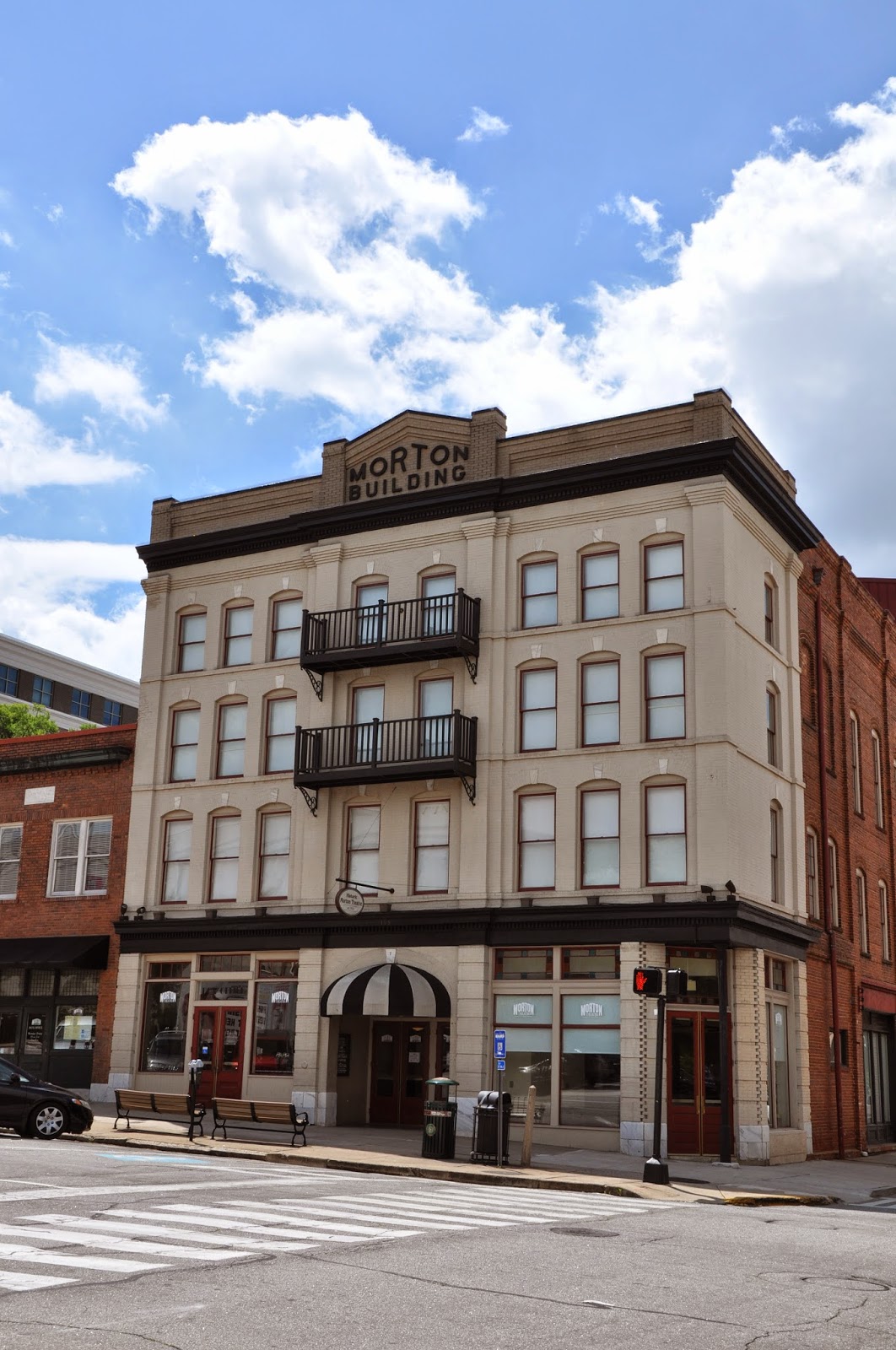
There is the Morton Building, constructed in 1907 by Pink Morton, born a slave but rising to prominence. He owned more than 25 buildings in the area, this one in “Hot Corner” the center of black economic activity during segregated times.  Across the street is one of the only downtown buildings still owned by African-Americans, formerly home to The Athens Republique, an independent black newspaper but now operating as a soul food restaurant. Around the corner is the Creature Comforts Brewery that opened this year in an old tire store. R.E.M. fans will remember Weaver D’s Fine Foods distinctive square brick building, closed now, but still sporting a bright green exterior. 

Spacious buildings near the railroad tracks are being converted in lofts as student and local populations continue to grow. Just behind the iconic UGA arch sits the Holmes-Hamilton Building, named for the students who integrated the school. It is typically not acknowledged that their bravery saved all public schools in the state. Governor Vandiver was planning to close all public schools rather than abide by the landmark Brown v. Board of Education decision when the 1961 federal order to de-segregate the University of Georgia was handed down. Vandiver knew that it would be political suicide for him to close the university and deny football fans their “Dawgs” so he changed course and reluctantly allowed limited enrollment for blacks.
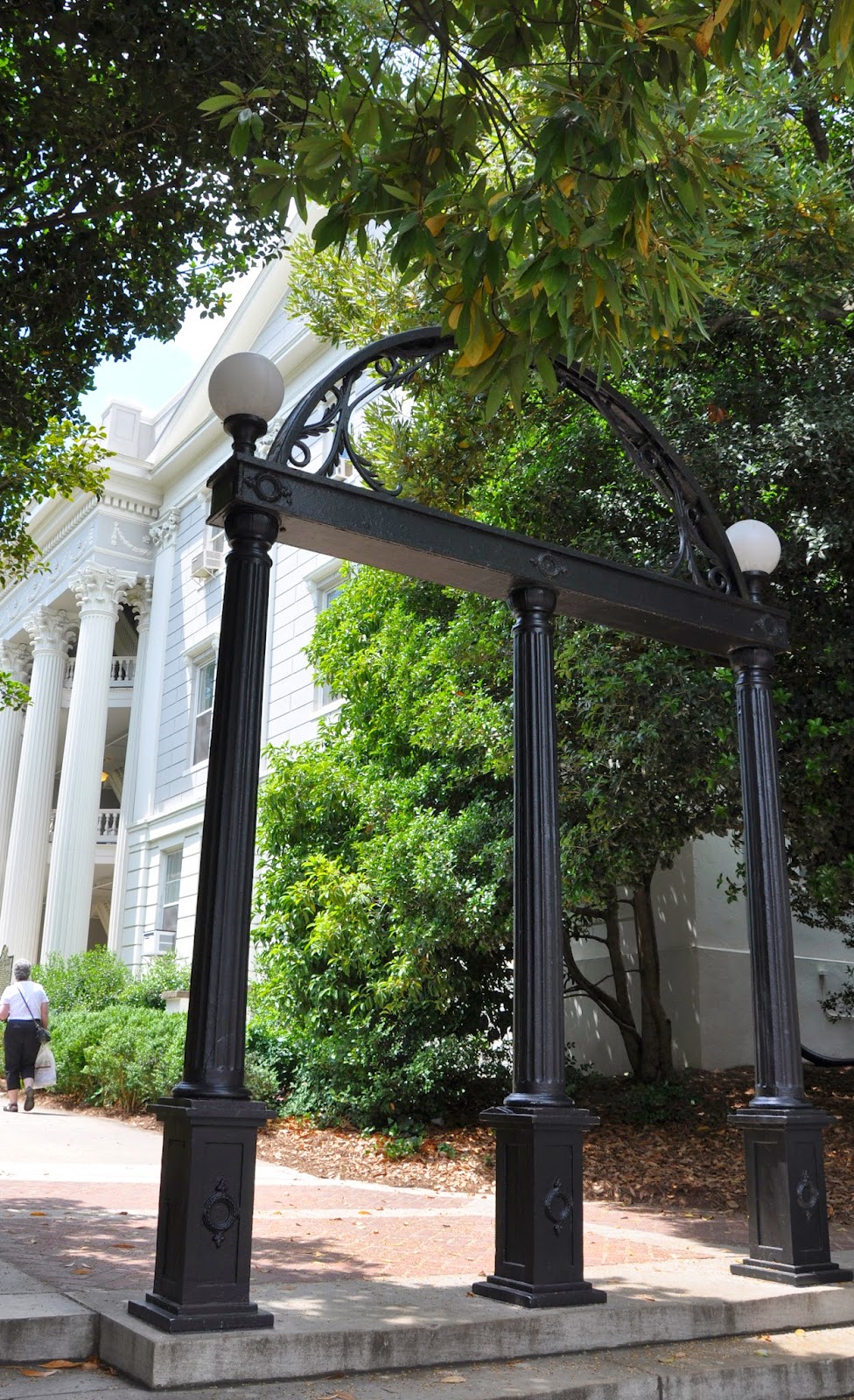
Most of the downtown area has been converted to restaurants and bars and on weekends it is packed, especially during football games. The city hosts a large cycling event, the Athens Twilight Criterion, every April. In June, they offer AthFest, a large music and art festival that takes place over several days on outside stages and in the clubs in the downtown area. The winter holidays show a different side with the trees covered in lights illuminating the wide downtown streets. Things are much quieter during the semester break. Whenever you visit, it’s a great opportunity to reflect on the lives of the people who have lived here over the years, they all seem to have been interesting characters.

Debby Yoder is a regular contributor to Social Shutter as well as a Sociology major at Georgia State University. She can be contacted at debby.yoder@gmail.com.

Originally published on August 11, 2014 at: http://socialshutter.blogspot.com/2014/08/preserving-history-one-building-at-time.html
Segregation Persists – Even in Cemeteries

Sunday, June 1, 2014

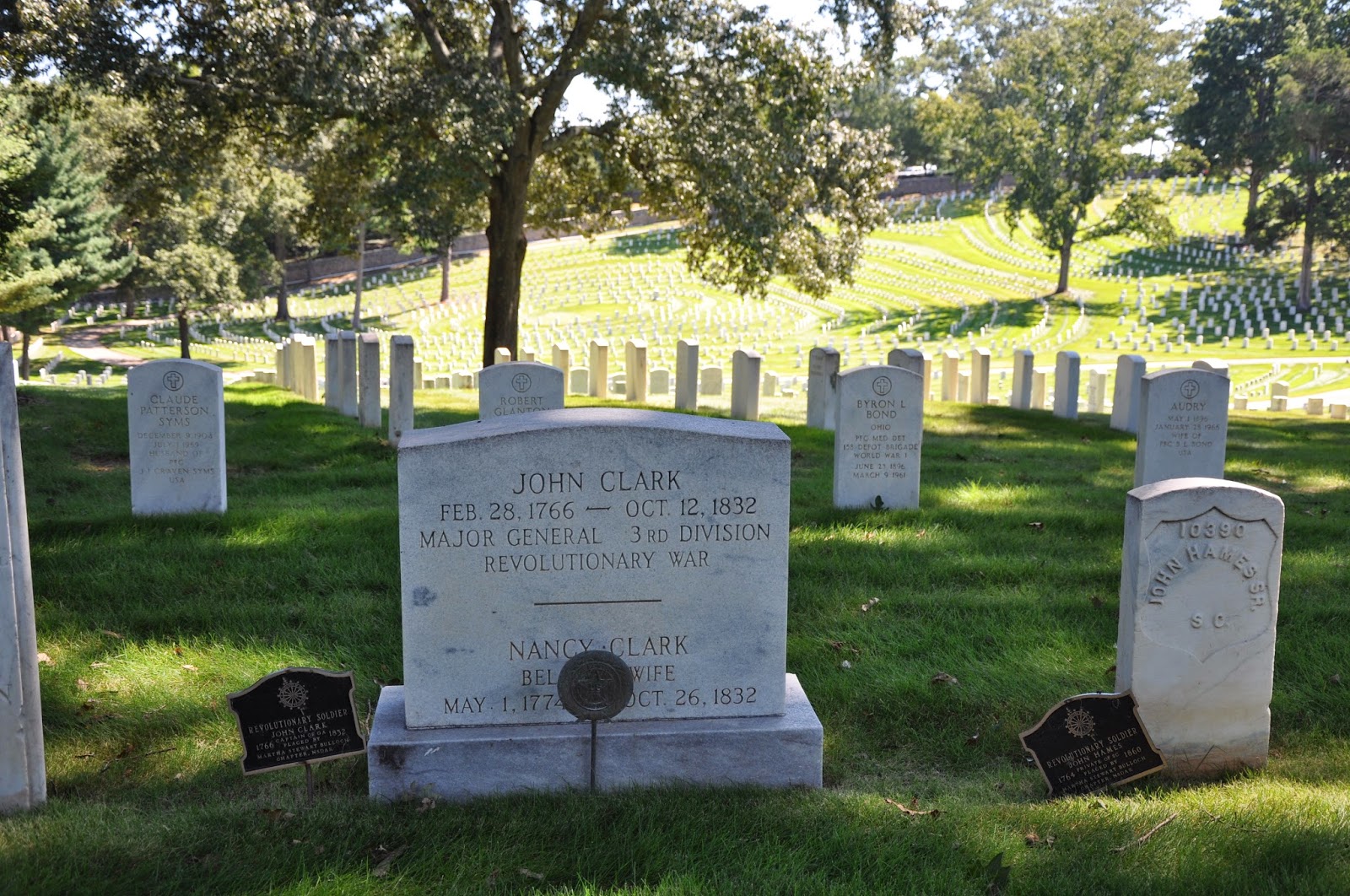
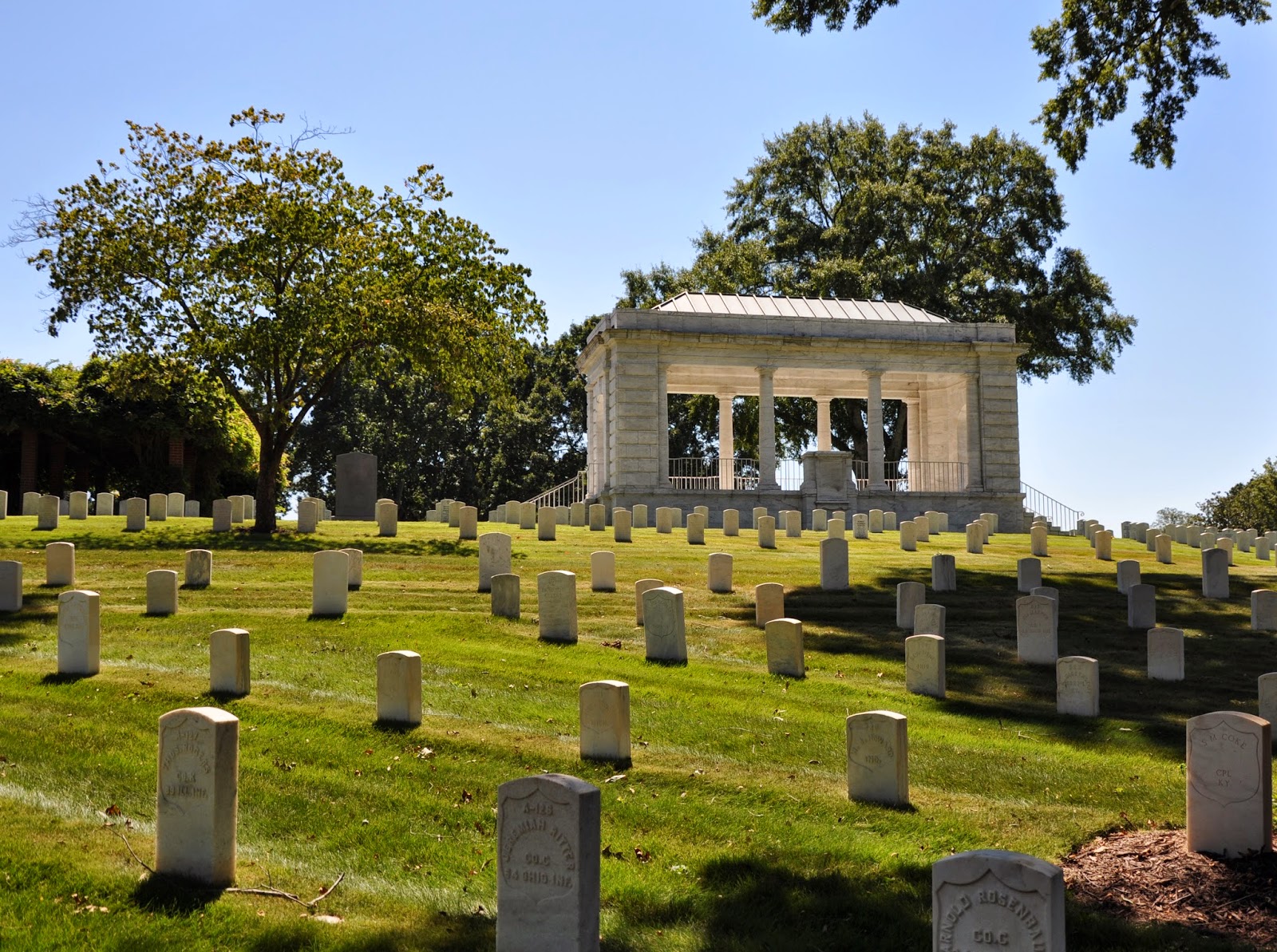
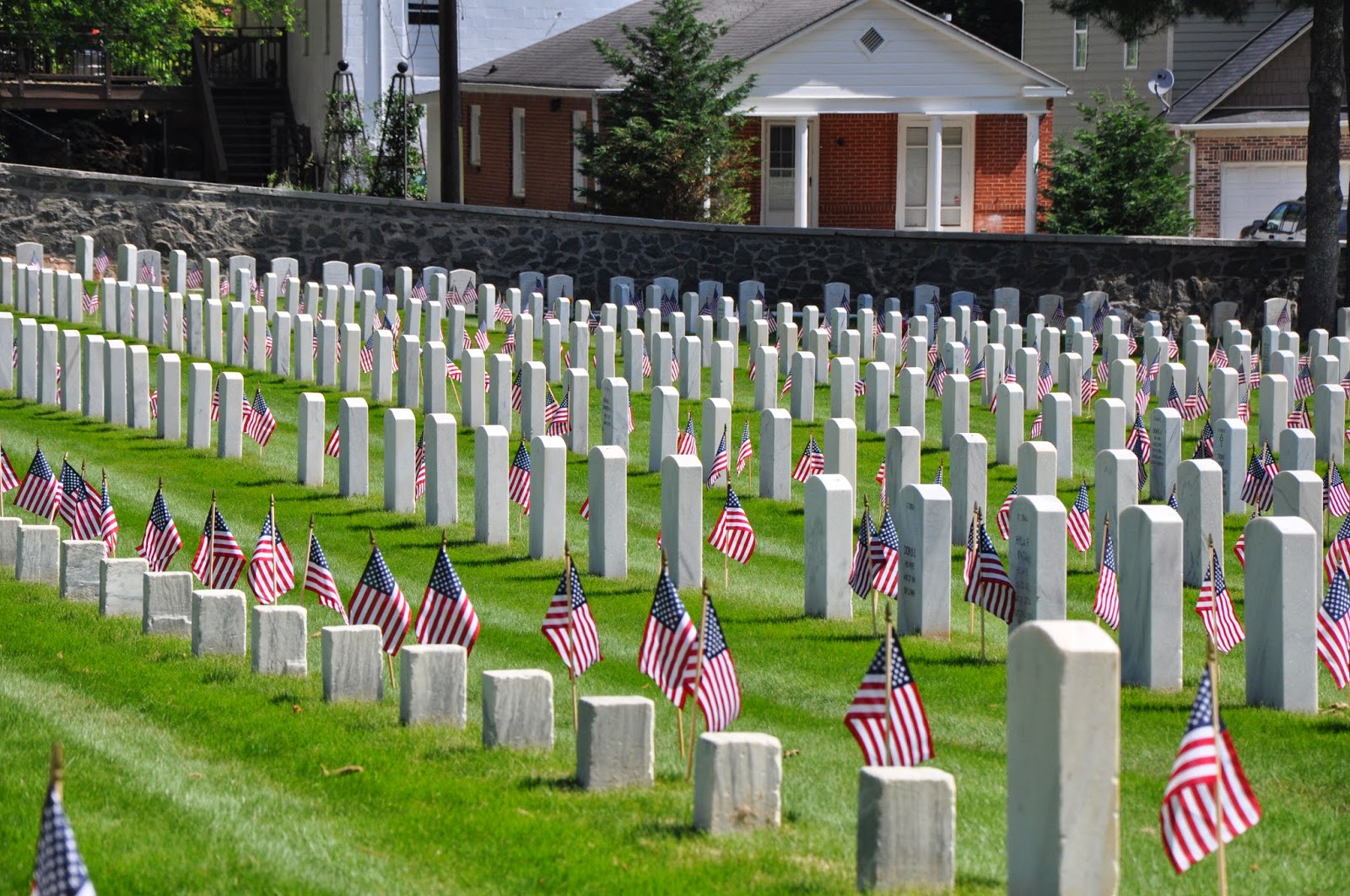
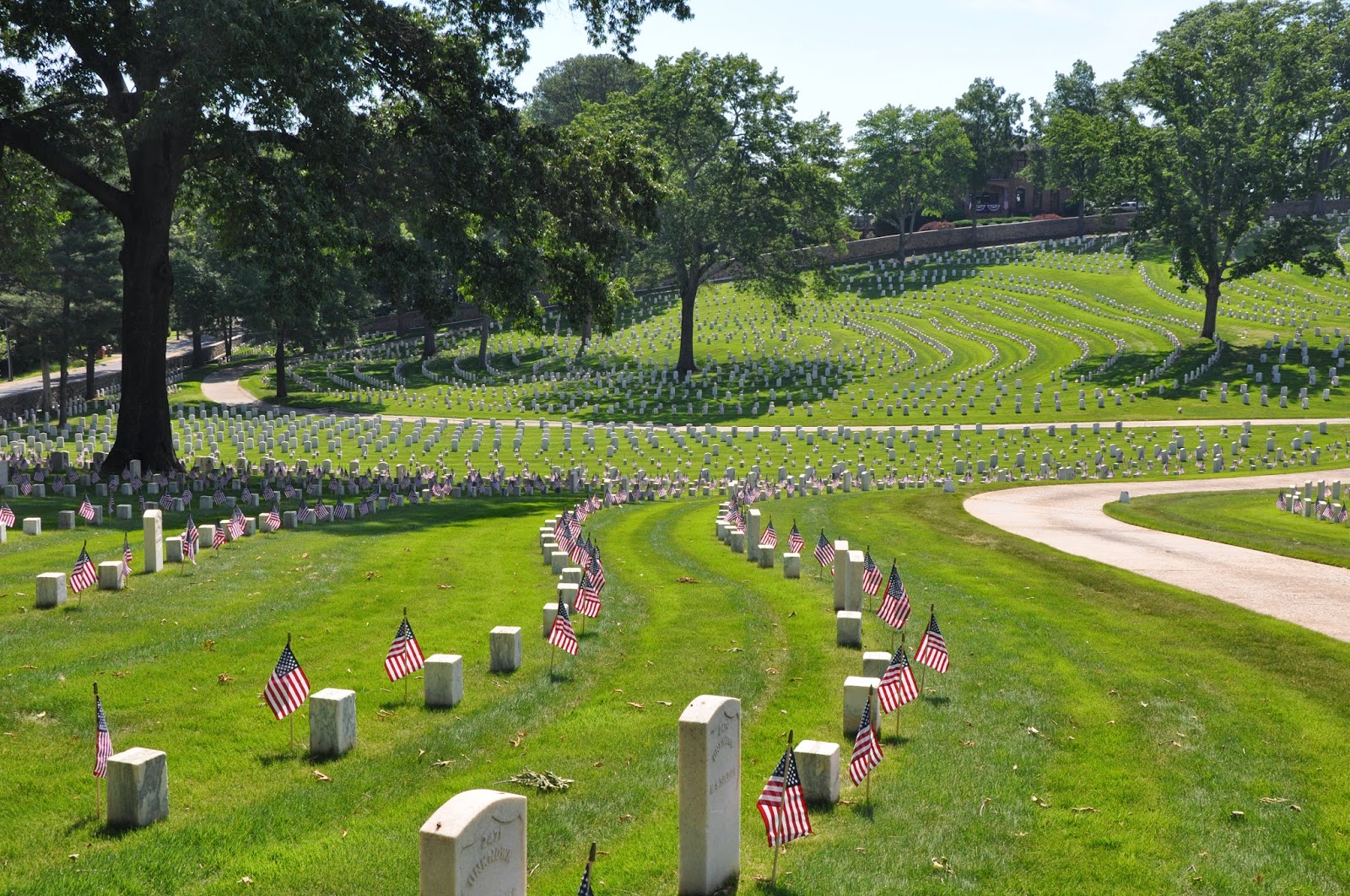
Posted by Debby Yoder, MARIETTA, GA — Just north of Atlanta is the beautiful Marietta National Cemetery with rolling hills and symmetrical headstones. There are monuments of tribute and a large archway at the entrance. More than 10,000, mostly soldiers, are buried there. They served in every arena from the Revolutionary War to recent conflicts in the Middle East. While the cemetery seems long established, you still find families grieving their losses.

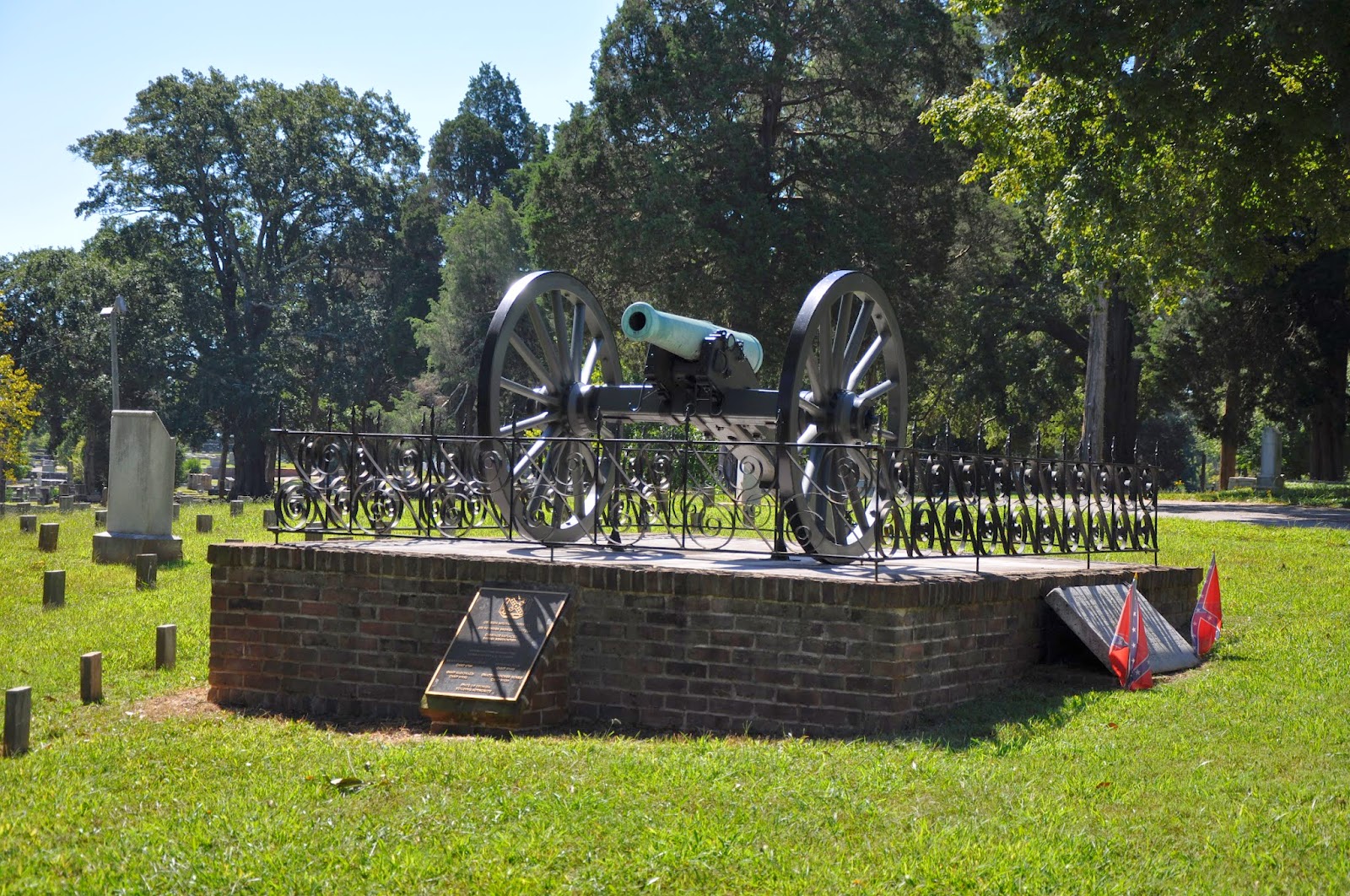
It was originally envisioned as the resting place for both Union and Confederate soldiers after the Civil War, with the idea that the dead buried together would help the living learn to live together. Southerners would have no part of it and created a Confederate Cemetery about a mile away. Locals say there was once a row of trees planted to block the sight of the “Yankee cemetery.” For many years, the National Cemetery was well-maintained while the Confederate Cemetery went unkempt and without repair. The original markers were made of wood and deteriorated long ago. Recent years have seen an interest in the cemetery’s improvement and a new plaza and several statues have been erected. They celebrate Confederate Memorial Day each April and tried to start a wreath-laying tradition in December, holidays that mirror those celebrated a mile away at the National Cemetery. 150 years later, some things have not changed.

Debby Yoder is a contributor to Social Shutter as well as a Sociology Major at Georgia State University. She can be reached at debby.yoder@gmail.com

Originally published on June 1, 2014 at: http://socialshutter.blogspot.com/2014/06/segregation-persists-even-in-cemeteries.html

When Will Gentrification Include Diversity Instead of Excluding It?

Monday, March 31, 2014

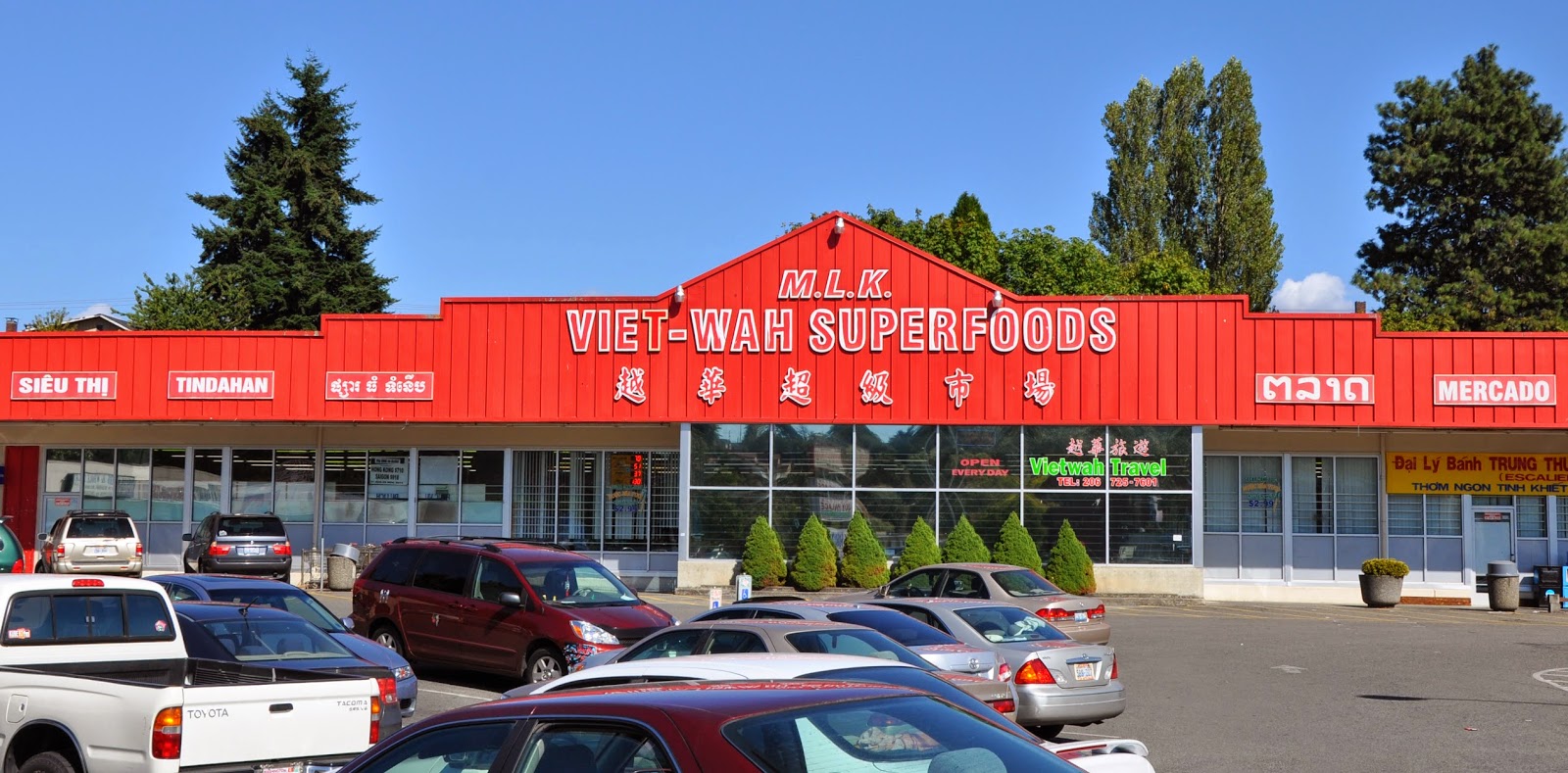
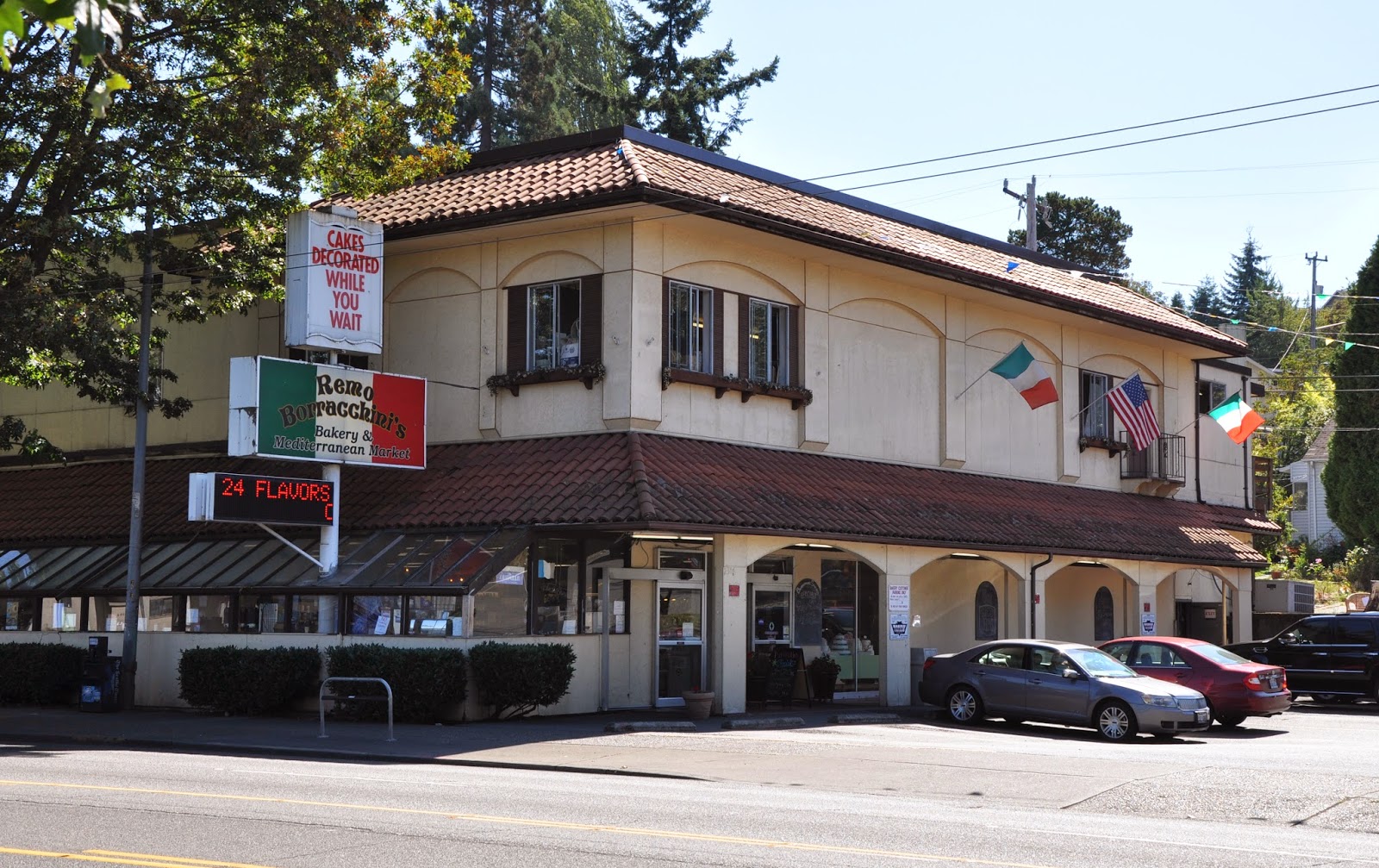
Posted by Debby Yoder, SEATTLE, WA — On the south side of Seattle rests Columbia City, a neighborhood the locals like to call “the most ethnically diverse zip code in the country”. There are still more than 50 languages spoken and businesses that reflect such diversity. Historically, Columbia City has been home to Seattle’s marginalized: first the Italians, then Japanese, African American, Filipino, Latino, Vietnamese and East Africans.

Currently, Columbia City hosts a weekly international farmer’s market. There’s also a Beat Walk, where shops and restaurants host musicians and open their doors to let the sounds fill the street. What was once a garbage dump has been turned into a beautiful 57-acre public park. Nearby is the Northwest African American Museum where the current exhibit details the history of African American baseball in the state of Washington.

Unfortunately, while this neighborhood has historically absorbed waves of new residents without much contest, the most recent redevelopment has been challenging and mirrors gentrification taking place in places like Brooklyn, NY. Lower-income housing has been replaced by mixed- or high-income homes. Residents have been displaced and businesses have closed because they lost their customers or been unable to afford higher rents. Many more new complexes that will certainly alter the character of the neighborhood are planned. With Lake Washington nearby and the views of Mount Rainier and Mount Hood, the Rainier Valley is being recognized as a very desirable place to live. But Columbia City has survived all these years by embracing its cultural heritage while welcoming new residents and their cultures into the community without displacing others. This new trend in redevelopment may simply destroy this wonderful neighborhood forever. Why don’t developers think about such consequences?

Debby Yoder is a Contributor to Social Shutter as well as a student at Georgia State University majoring in Sociology. She can be contacted at debby.yoder@gmail.com.

Originally published on March 31, 2014 at: http://socialshutter.blogspot.com/2014/03/when-will-gentrification-include.html
MLK Day: A Holiday for Caring and Community Service

Saturday, January 25, 2014

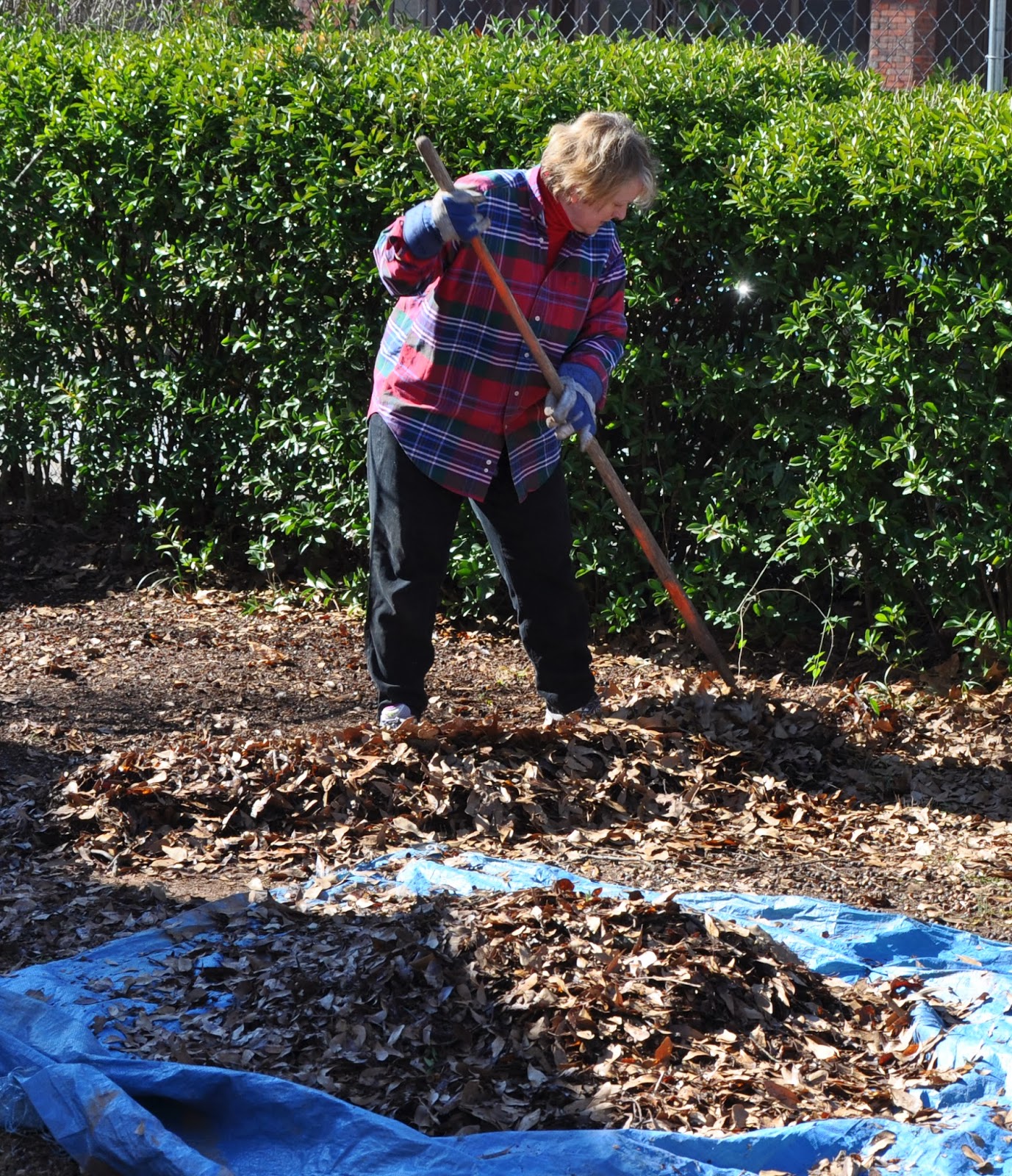
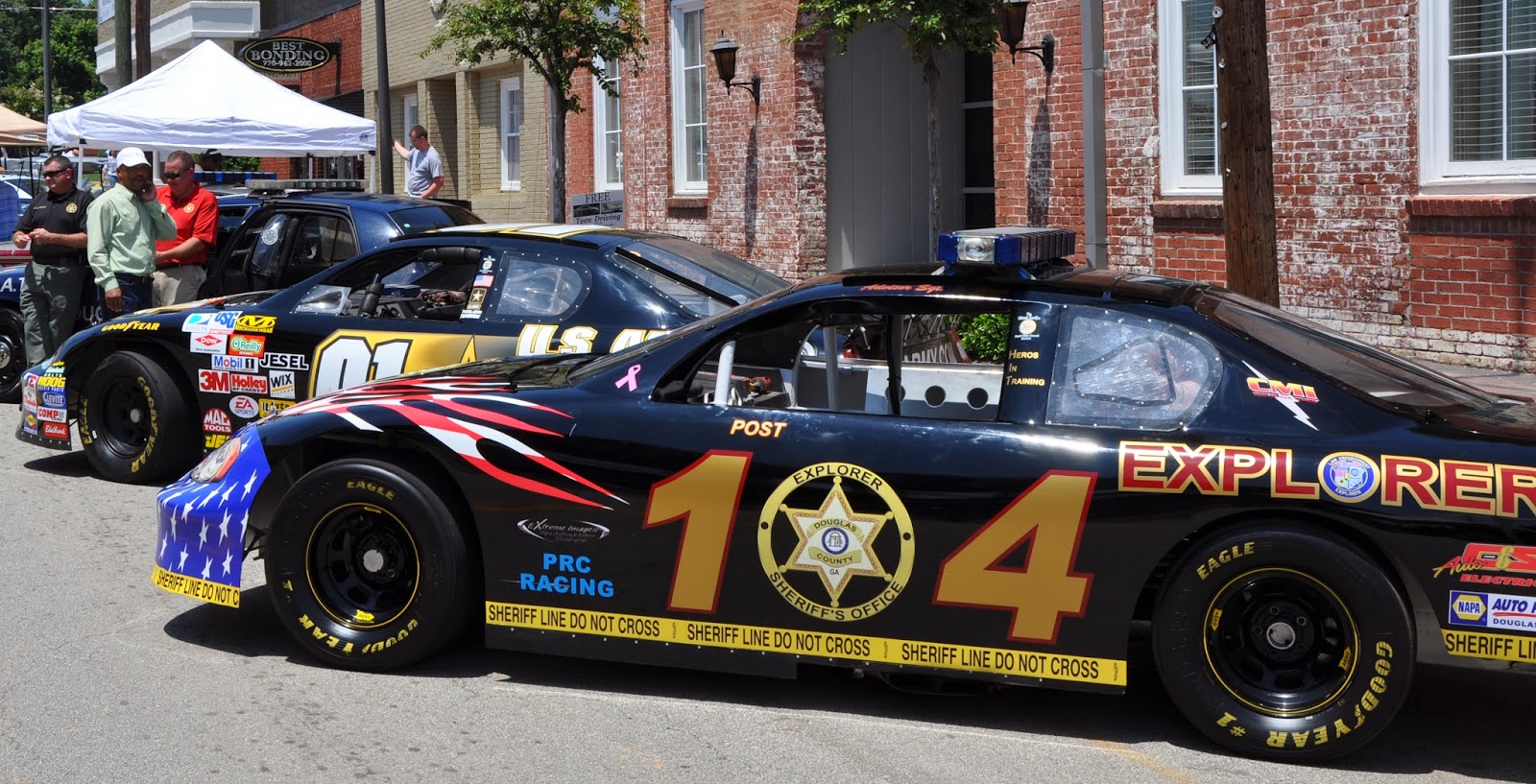
Posted by Debby Yoder, DECATUR, GA — The Martin Luther King, Jr. holiday was designated as a day of service, “A Day On, Not a Day Off!” to honor his life and continue the work he began in the Poor People’s Campaign. Dr. King once declared, “Life’s most persistent and urgent question is: ‘What are you doing for others?'” The City of Decatur answers by coordinating a huge project to help local seniors with repairs of all sizes. They work year-round meeting with homeowners to assess their needs, purchase materials, secure donations and fund-raise. Projects range from yard maintenance and gutter cleaning to major plumbing, furnace and roof work, installing attic stairs, bracing floors and replacing porches and railings. And on MLK day volunteers flock to the city to take on many of these projects.

This MLK community service event draws individuals from a variety of  organizations — boy and girl scouts, city workers, churches, and even the Three Piece Suit Football League. I had the privilege of riding with project coordinator Paul Mitchell as he traveled from one job site to the next, overseeing 24 different groups and their work. At each location, the volunteers were having great fun working together, and one group even did shots (of water) to keep the playful atmosphere going.

At one site the volunteers were helping a retired homeowner who. four years ago, adopted a two-day old baby girl born to an alcoholic mother unable to care for her. Now at age four, the little girl still requires multiple types of weekly therapy.  But you’d never know it. She was happy and energetic as she watched volunteers remove an old shed from the backyard to expand her play area. She proudly helped deliver homemade lasagna to the group and joyfully bounced around entertaining everyone as they ate lunch. I felt I was witnessing the true meaning of community as she shared her joy and cared for the volunteers who were helping take care of her adoptive mother so she can continue taking the best care of her. I think Dr. King would be proud of the work being done in his honor.

Debby Yoder is a contributor to Social Shutter and a Sociology major at Georgia State University. She can be contacted at debby.yoder@gmail.com.

Originally published on January 25, 2014 at: http://socialshutter.blogspot.com/2014/01/mlk-day-holiday-for-caring-and.html

Police Protection?

Sunday, January 12, 2014

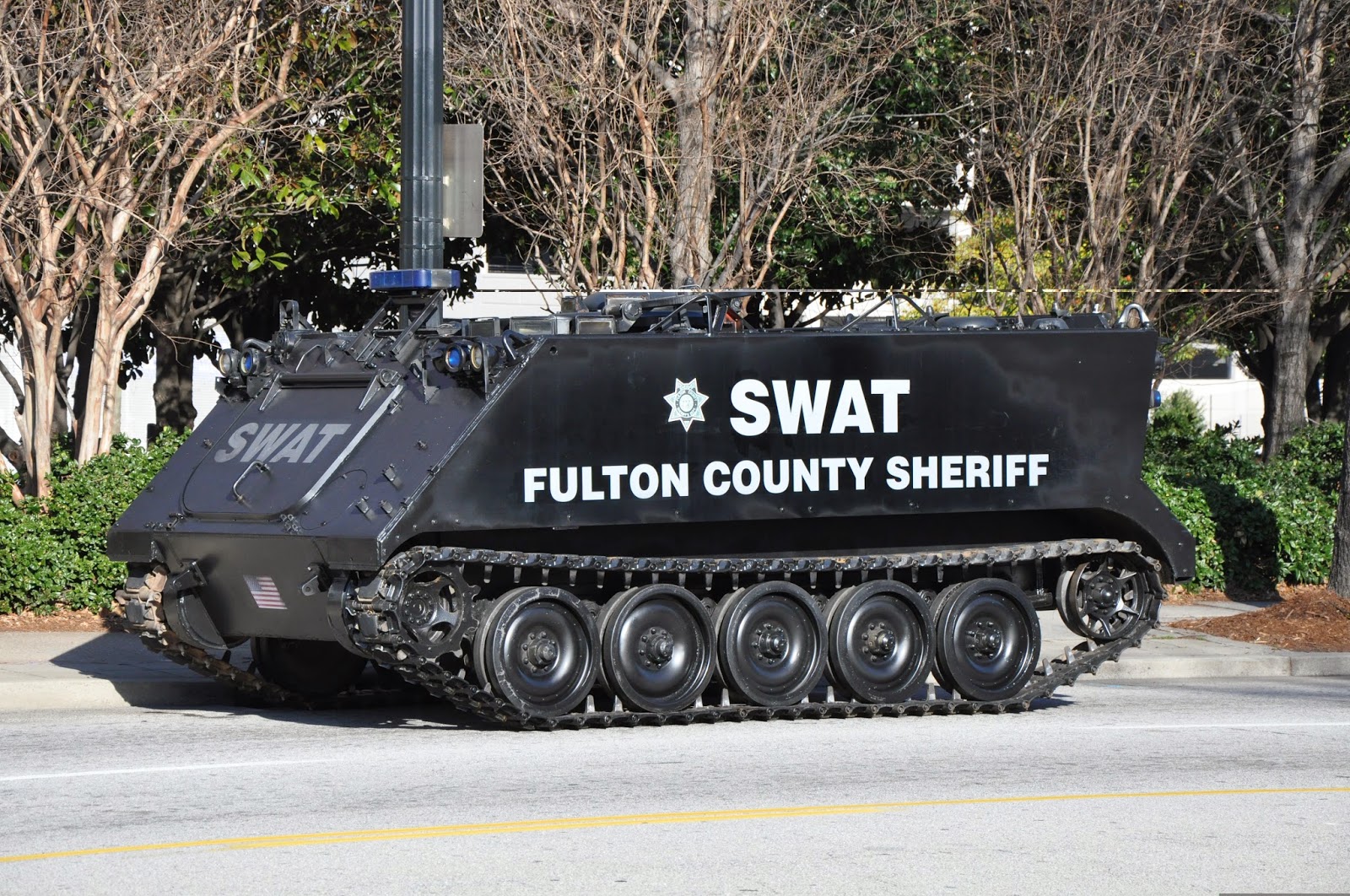
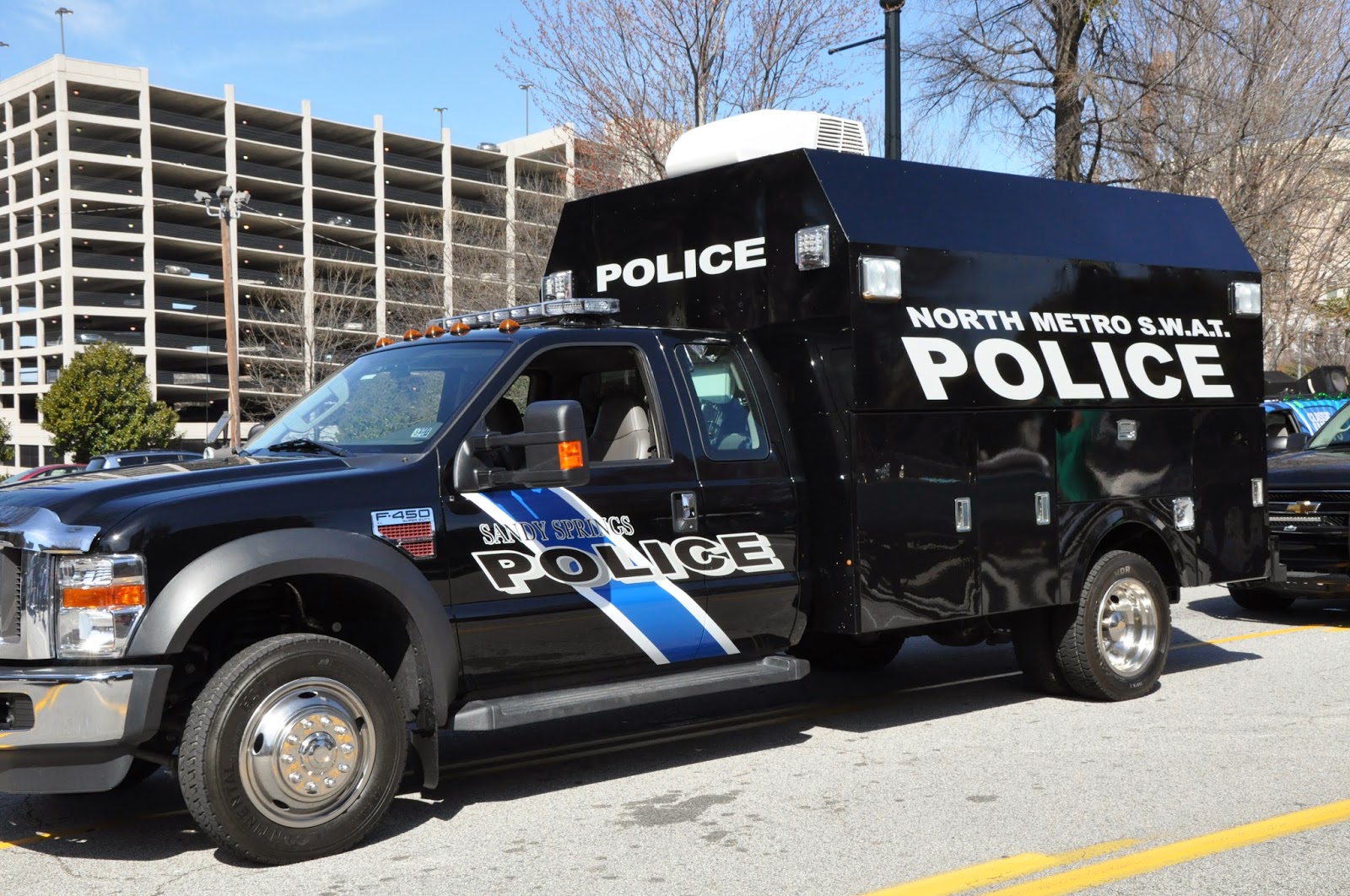
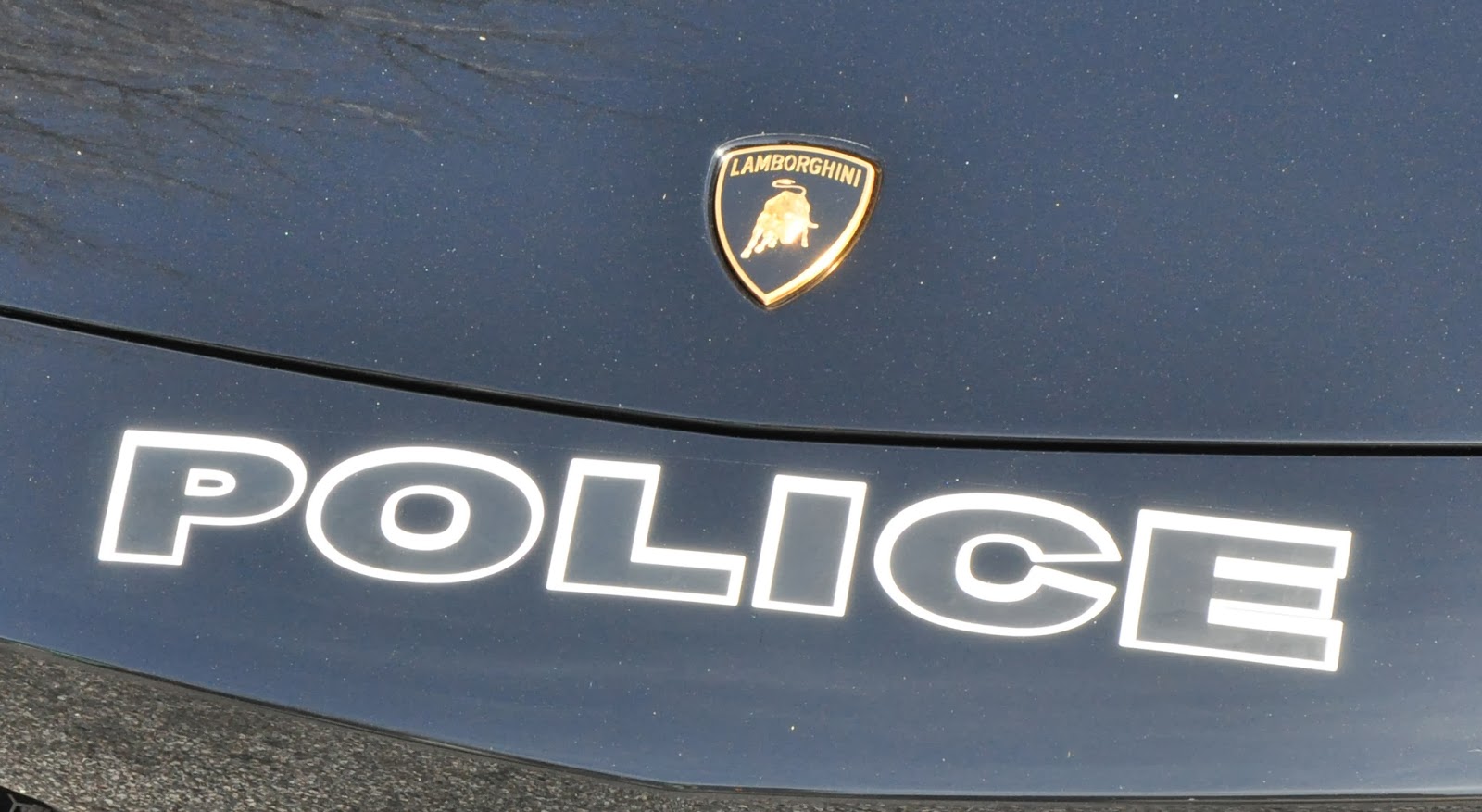
Posted by Debby Yoder, AROUND METRO ATLANTA — The face of America’s police departments has changed considerably in recent years. Gone are the police cars with the bubble light atop and “to protect and serve” emblazoned on the doors. Many of today’s police wear military style uniforms and drive re-purposed military vehicles. And yet the crime rate has been steadily falling for decades. Do police really need these imposing, bullet-proof, fuel inefficient forms of transport?

The police have an economic incentive to continue to build their arsenals and deploy their SWAT teams for everyday events. When they seize property that may have been obtained through illegal activity, they are allowed to keep the assets in the same way invading armies claim the treasures of the conquered as their own. This provides an incentive for police to aggressively pursue crimes which include drugs and cash, some rather petty. On the other hand, white collar crimes involving far larger sums of money, technically eligible for the same types of asset forfeiture, are addressed much less aggressively. When was last time you’ve heard of a SWAT teams storming a bank engaged in illegal and discriminatory lending practices?

Debby Yoder is a contributor to Social Shutter and a Sociology major at Georgia State University. She can be contacted at debby.yoder@gmail.com.

Originally published on January 12, 2014 at: http://socialshutter.blogspot.com/2014/01/police-protection.html

Food Fighters

Saturday, November 23, 2013

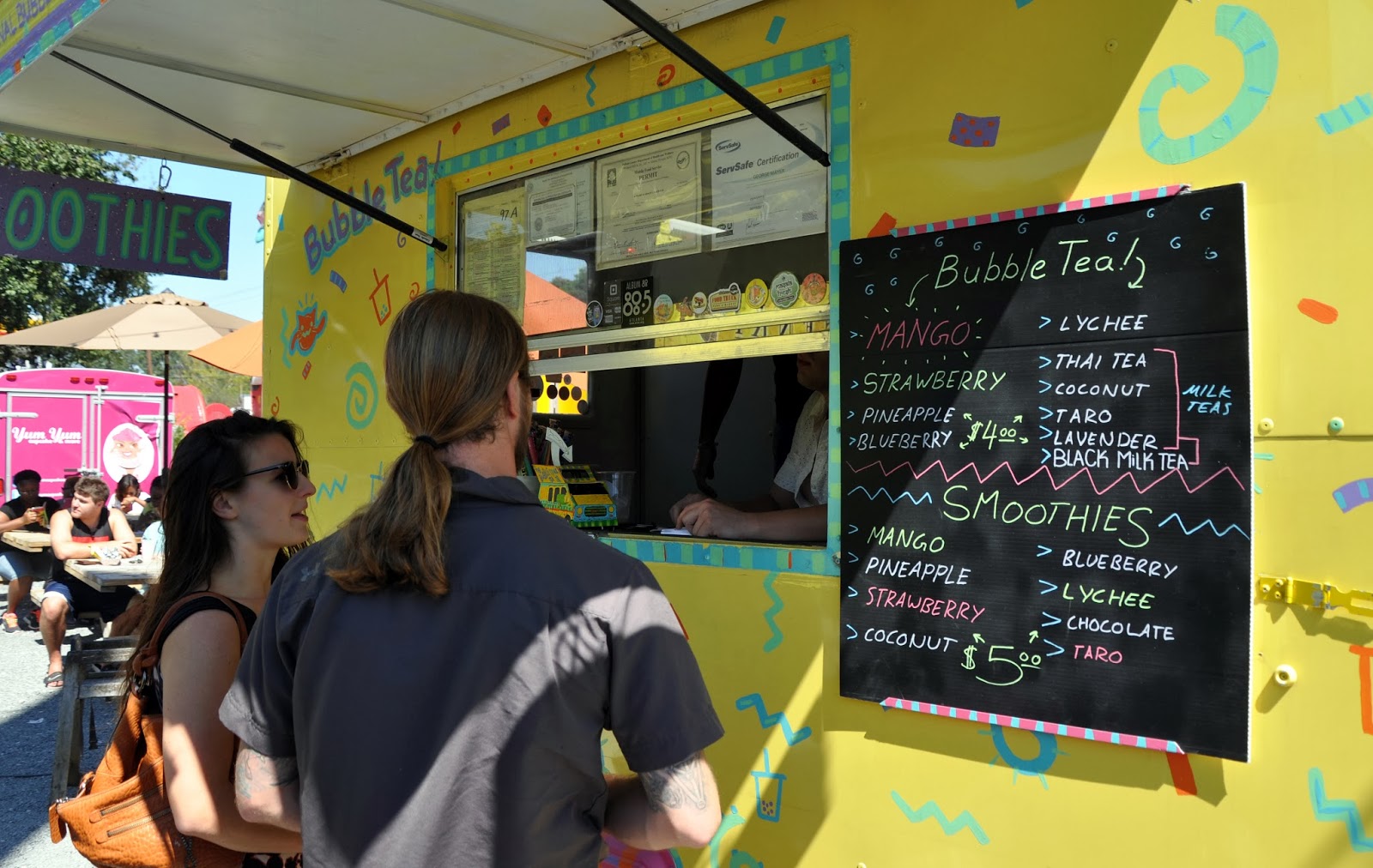
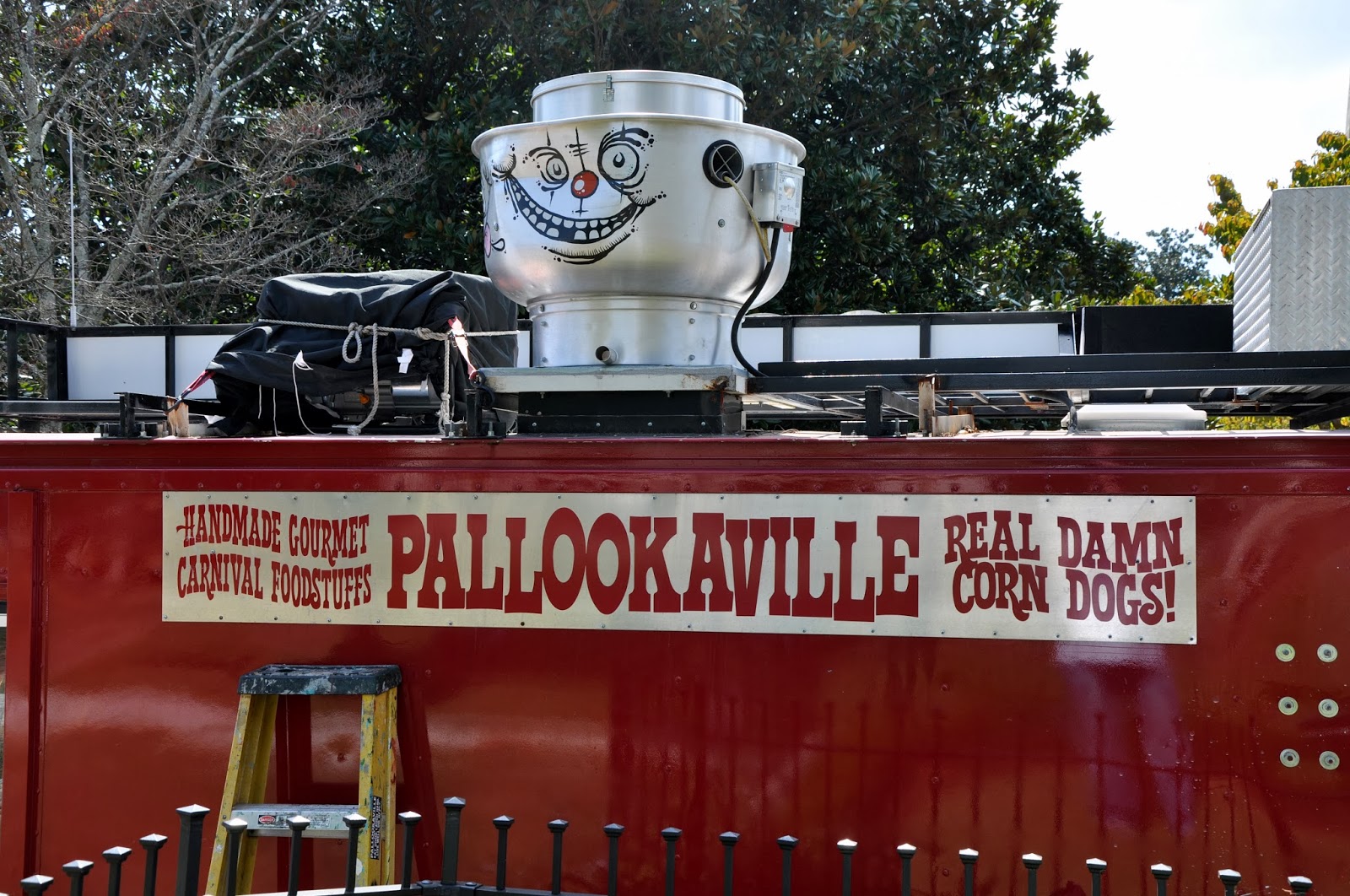
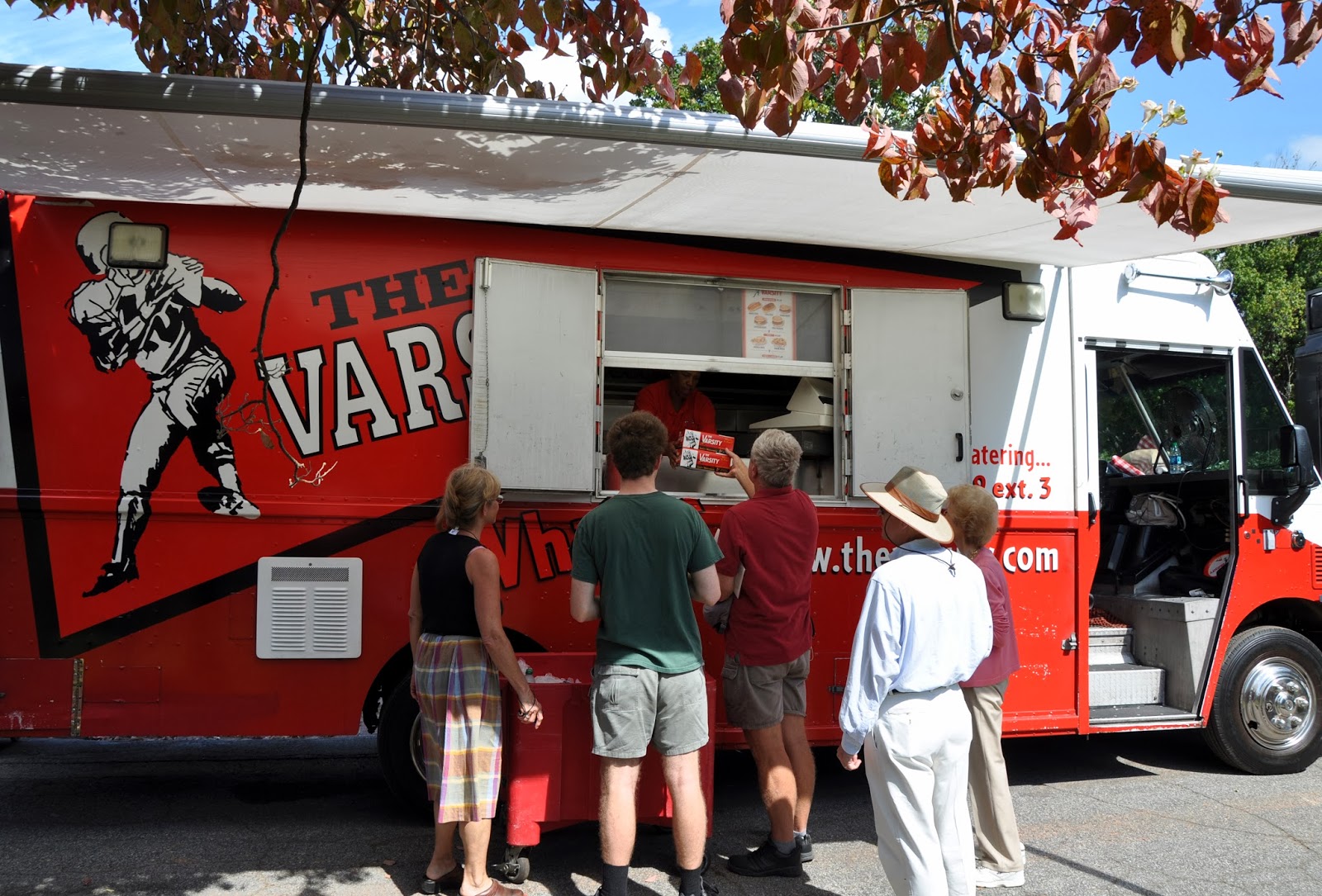
Posted by Debby Yoder, ATLANTA, GA — The food truck industry in Atlanta has grown tremendously in a very short time. They appear regularly around the metro area and people flock to try something new and different. The city was slow to get in on the food truck business due to resistance from established brick and mortar restaurants, In fact, despite their mobile nature, food trucks are only allowed to operate on private property such as the Food Truck Park.

The Atlanta Street Food Coalition helps people locate food trucks and promote the industry. They also offer Street Food 101 to teach people all they need to know about opening their own food truck. It’s a relatively small investment to start a food truck business and can be accomplished with a very small staff. If we were to embrace this concept and shift investment monies from empowerment zones to empowering people, we could create a number of new businesses. The mobile concept could be expanded to include grocery stores, book stores or whatever a community may need. Fresh foods could be brought into areas without grocery stores and individuals could be instrumental in identifying and meeting the needs of their neighborhood. 

Debby Yoder is a contributor to Social Shutter. She is also a Sociology major at Georgia State University. She can be reached at debby.yoder@gmail.com.

Originally published on November 23, 2013 at: http://socialshutter.blogspot.com/2013/11/food-fighters.html
March

Saturday, September 7, 2013

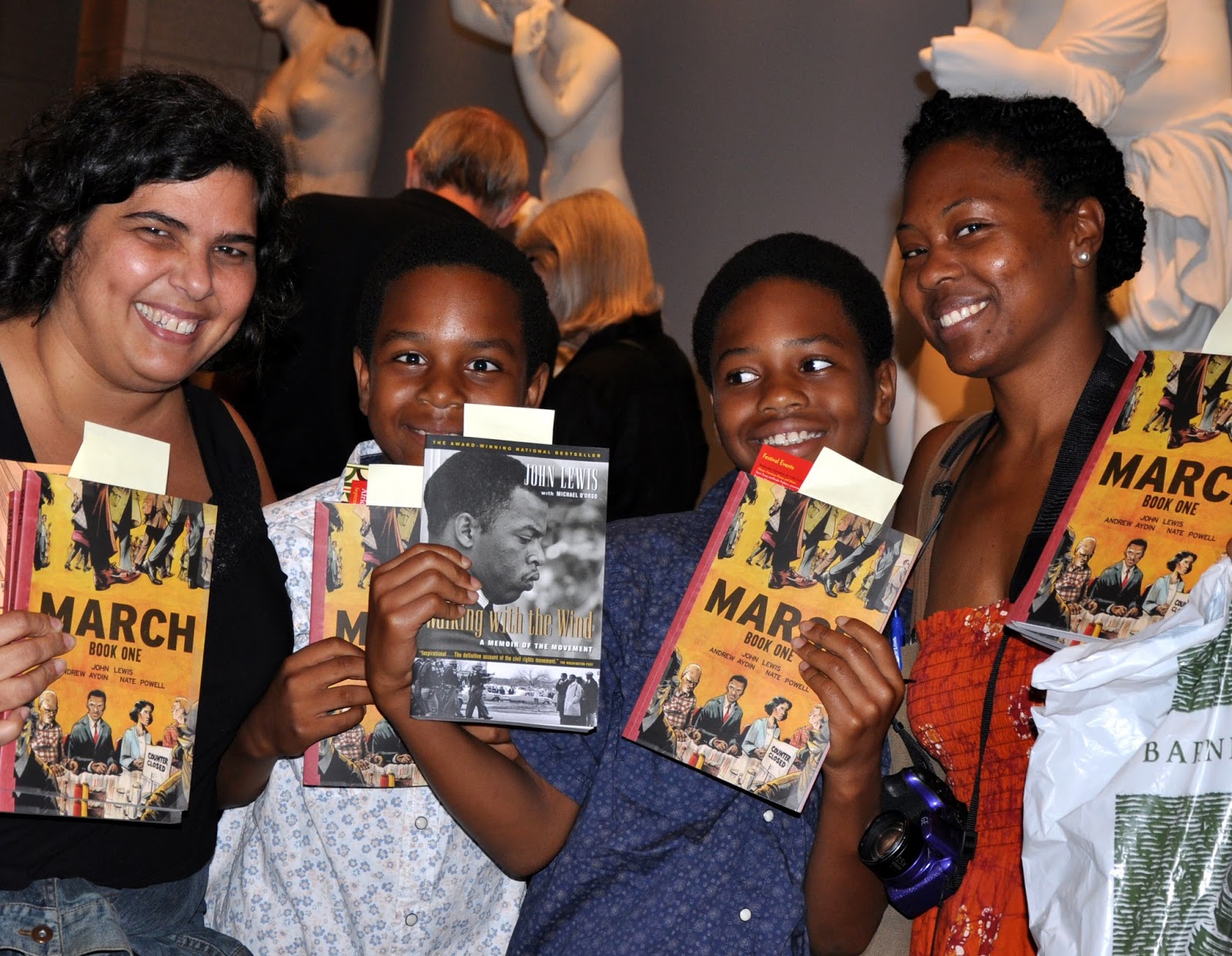
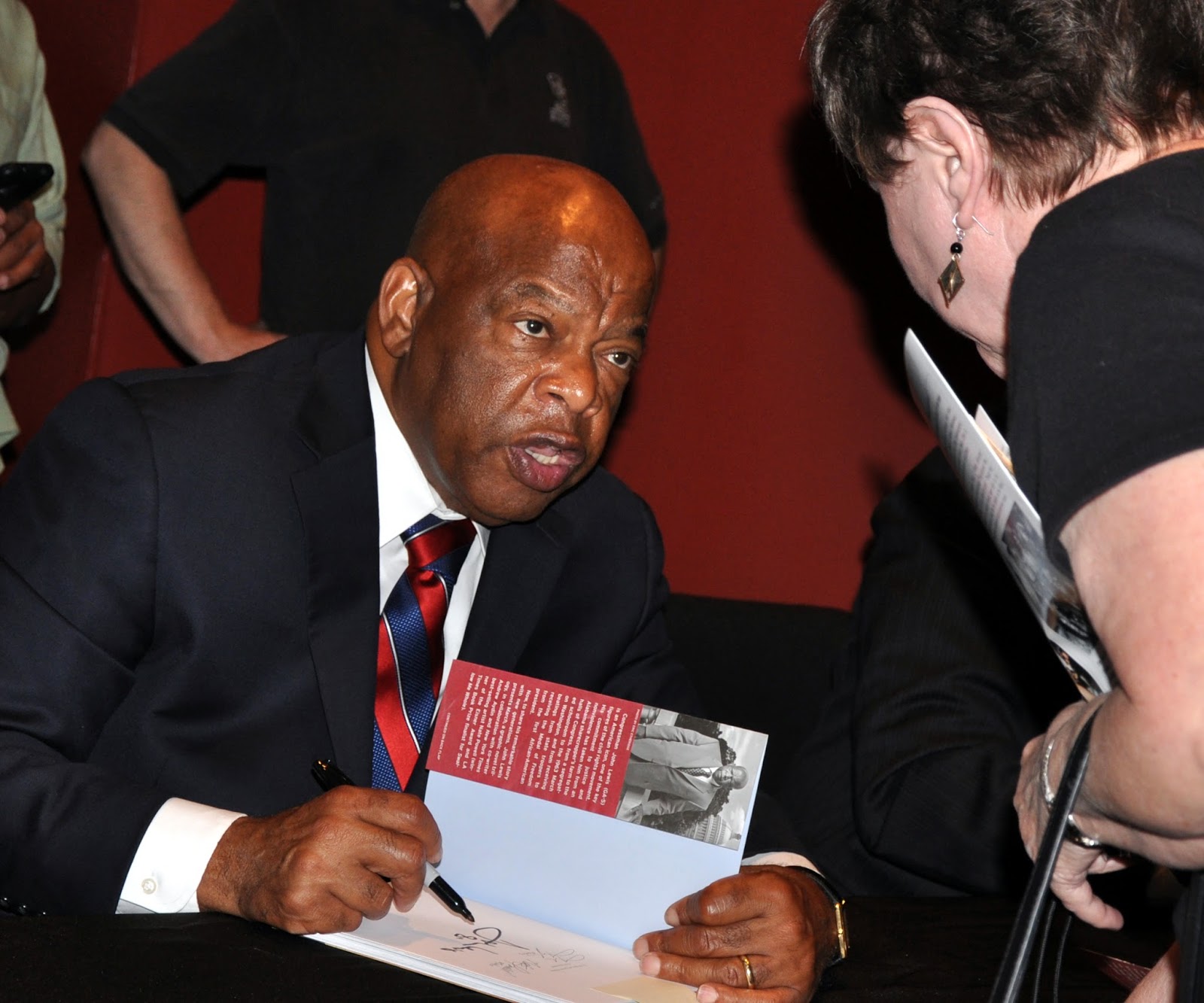
Posted by Debby Yoder, DECATUR, GA — Two days after commemorating the 50th Anniversary of the March on Washington, Congressman John Lewis gave the keynote address at the Decatur Book Festival. He was there to introduce the first installment of his comic book trilogy March, a firsthand account of his involvement in the Civil Rights Movement, co-authored with Andrew Aydin. Ironically, as a young man, Lewis was inspired by a comic book called The Montgomery Story that detailed the Montgomery bus boycott and provided instructions on practicing non-violence to effect social change. The Montgomery Story inspired peaceful protests, including the sit-ins at Woolworth’s and other lunch counters in 1960-61, as well as later protests in South Africa to stop Apartheid. In 2008, it was translated into Arabic and Farsi and is credited with influencing the demonstrations in Egypt’s Tahrir Square.

John Lewis has spent his life creating change most deemed impossible, and getting into “good trouble” along the way.

Debby Yoder is a regular contributor to Social Shutter as well as a Sociology major at Georgia State University. She can be contacted at debby.yoder@gmail.com.

Originally published on September 9, 2013 at: http://socialshutter.blogspot.com/2013/09/march.html
Unhoused in Portland

Sunday, August 25, 2013

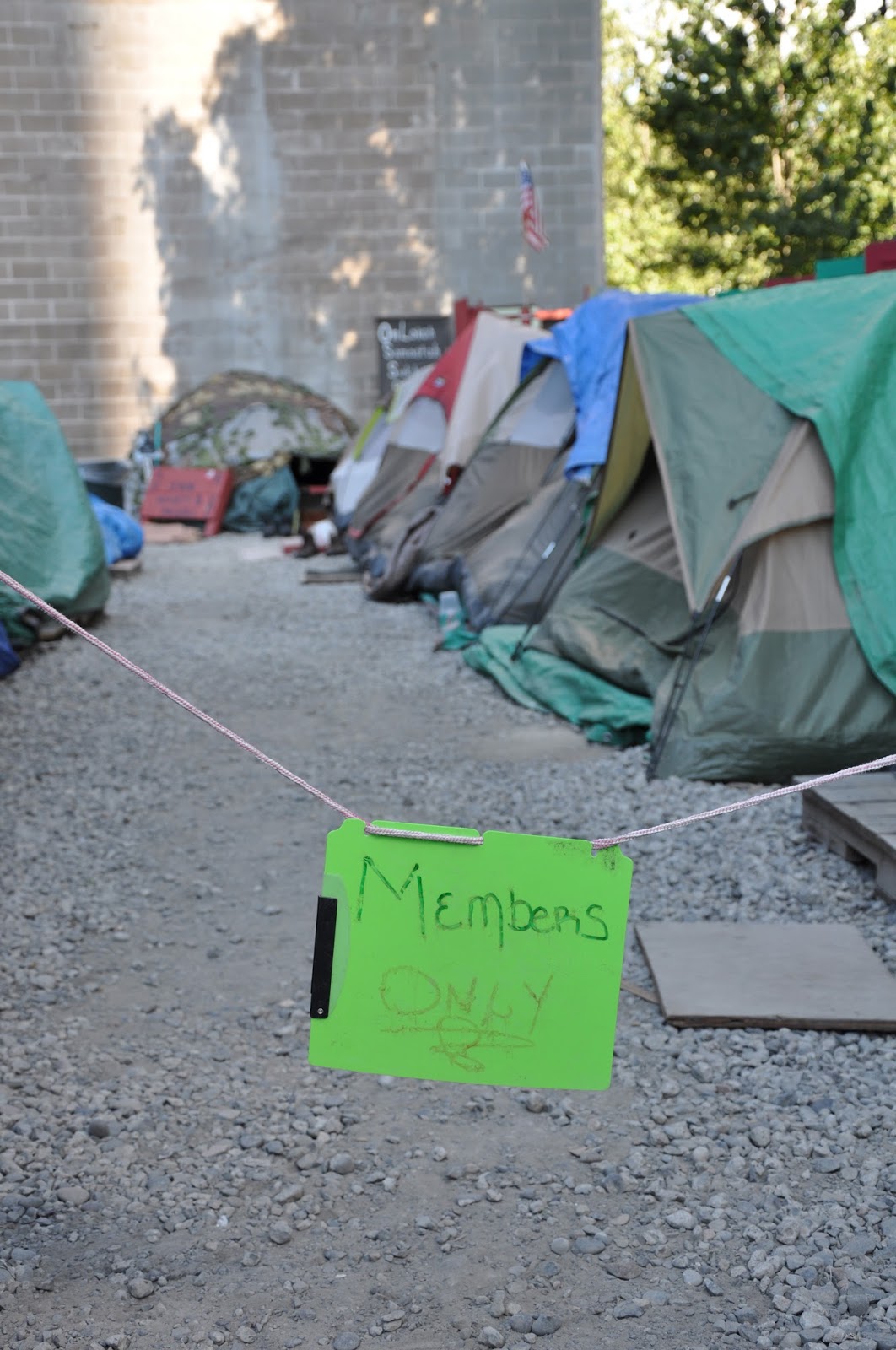
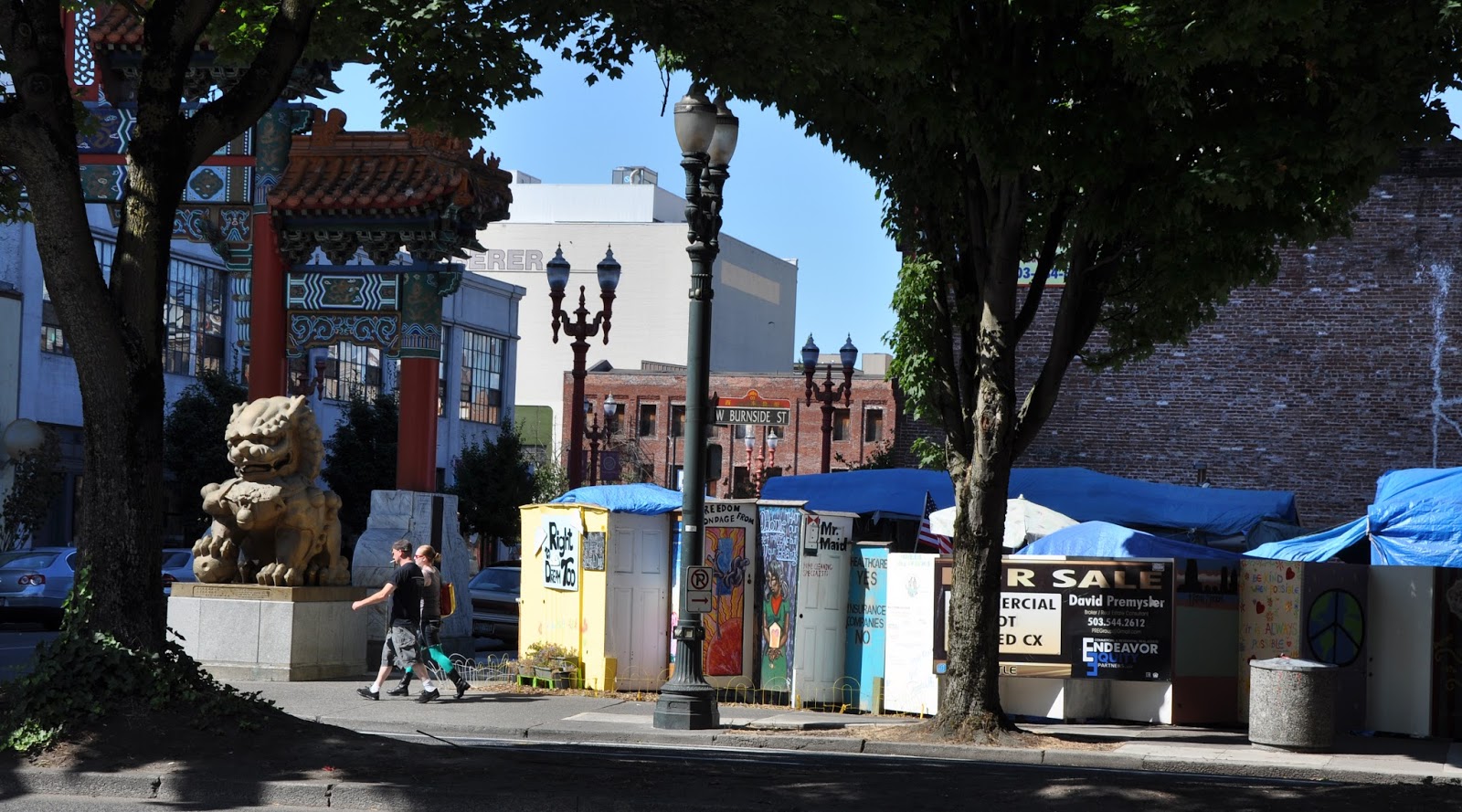
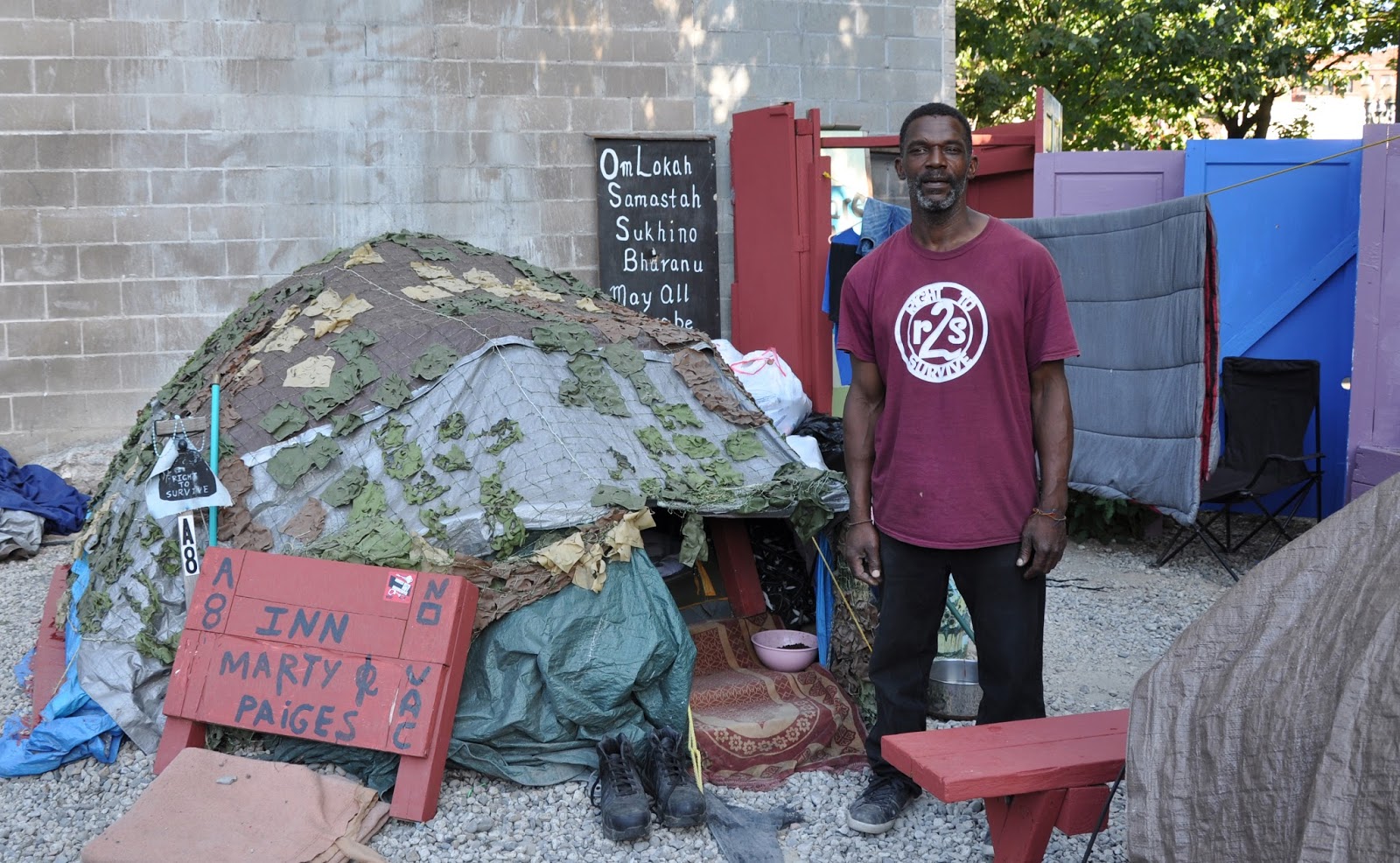
Posted by Debby Yoder, PORTLAND, OREGON — The efficiency of Portland’s land use and preservation of natural resources has made it a very livable city with an ever-growing population. The people are friendly and outgoing and there’s always something fun to do. Areas that were once warehouses or light industrial have become residential lofts and trendy shops, restaurants and brewpubs. However, this development has eliminated much of the low income housing and Portland now ranks 5th in the nation for its homeless population. On any given night, roughly 4,000 people sleep on the street or in a shelter. Tent cities have sprung up on public or unused land and officials have responded by passing an anti-camping law which they use to regularly clear out the residents and dispose of their belongings. Some call it a war against the homeless; others view it as crime control and prevention. A battle is being waged over a homeless rest area near the iconic entrance to Old Town Chinatown with its towering gate and protective Foo Dogs. 
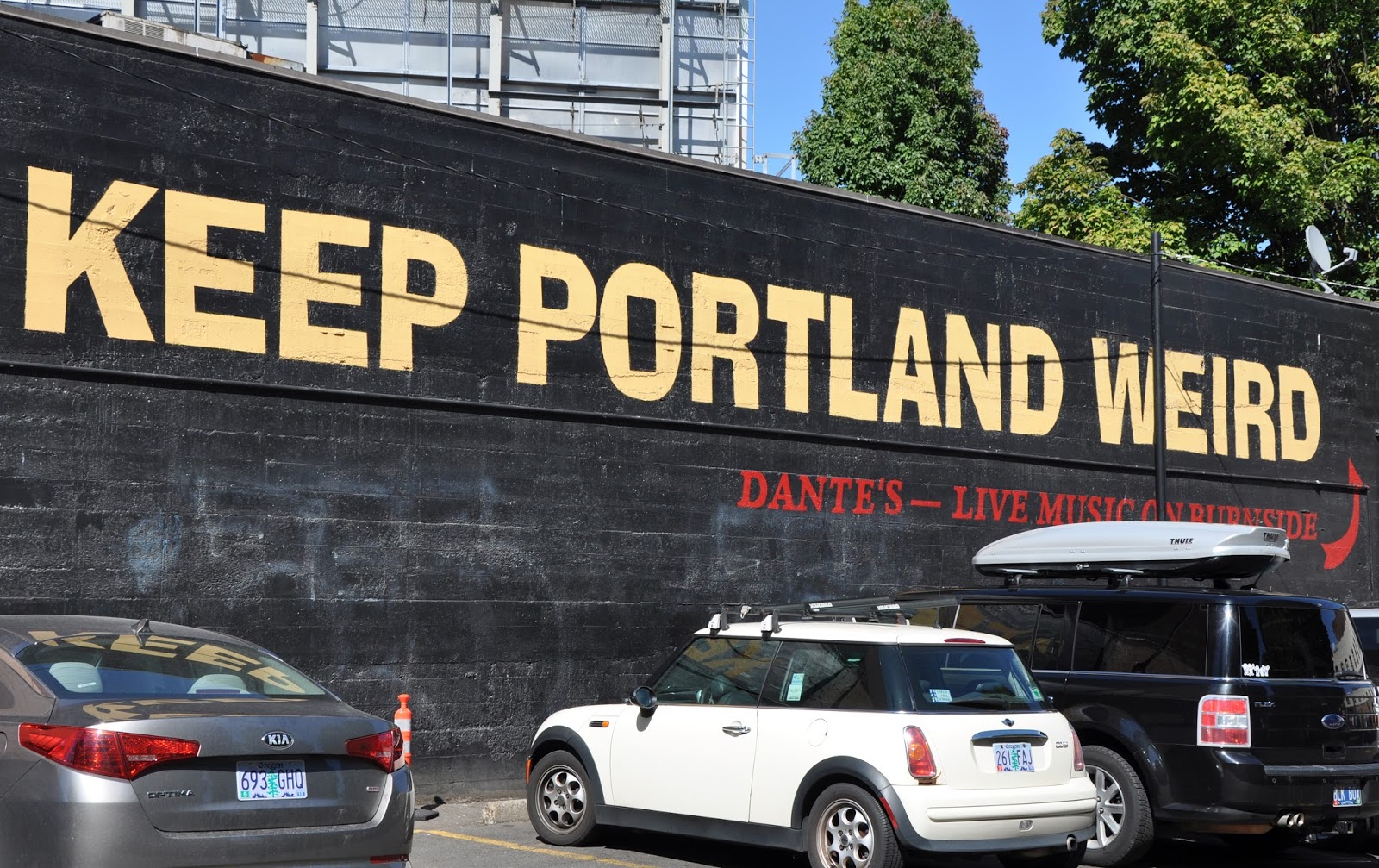
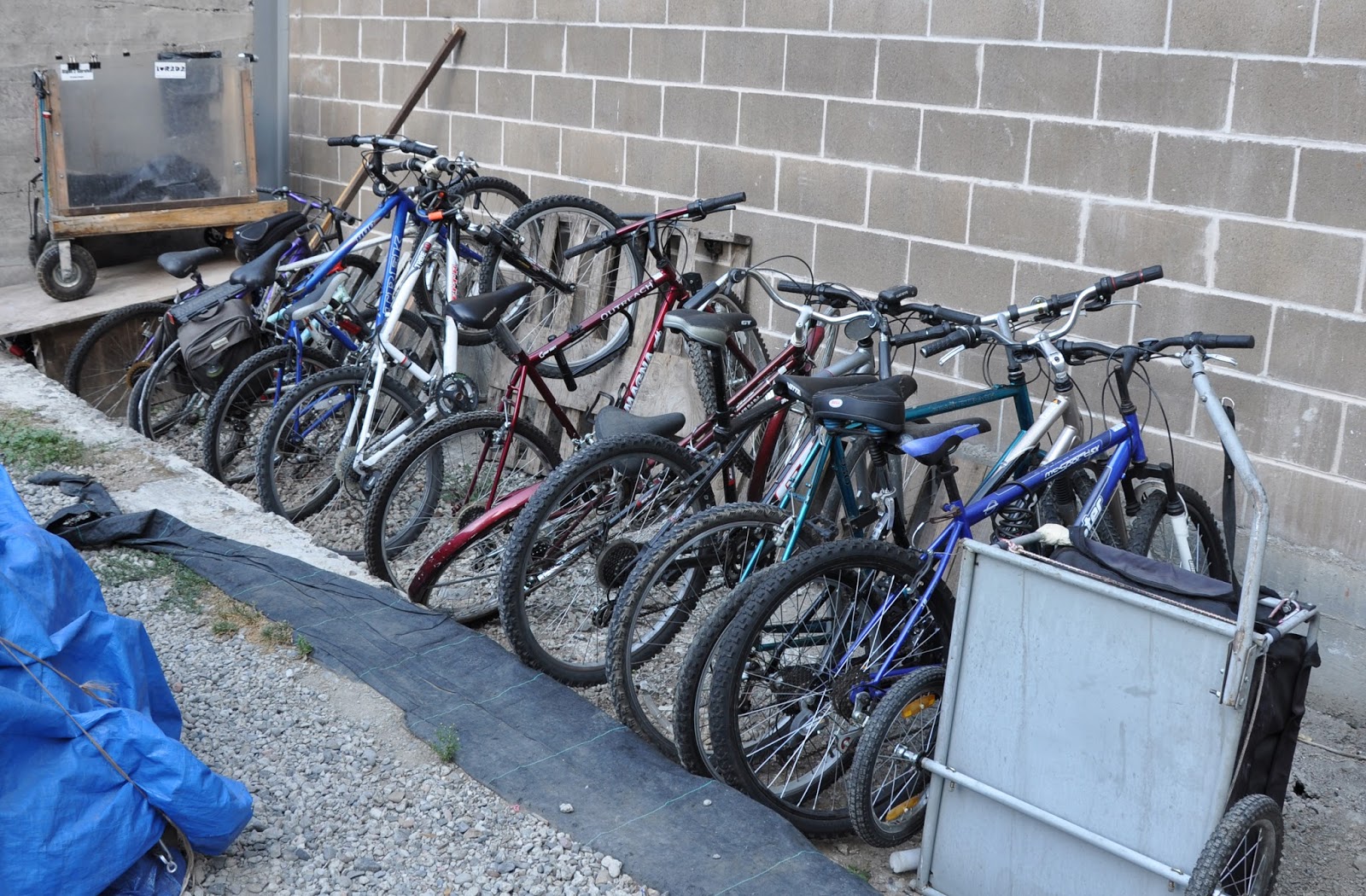
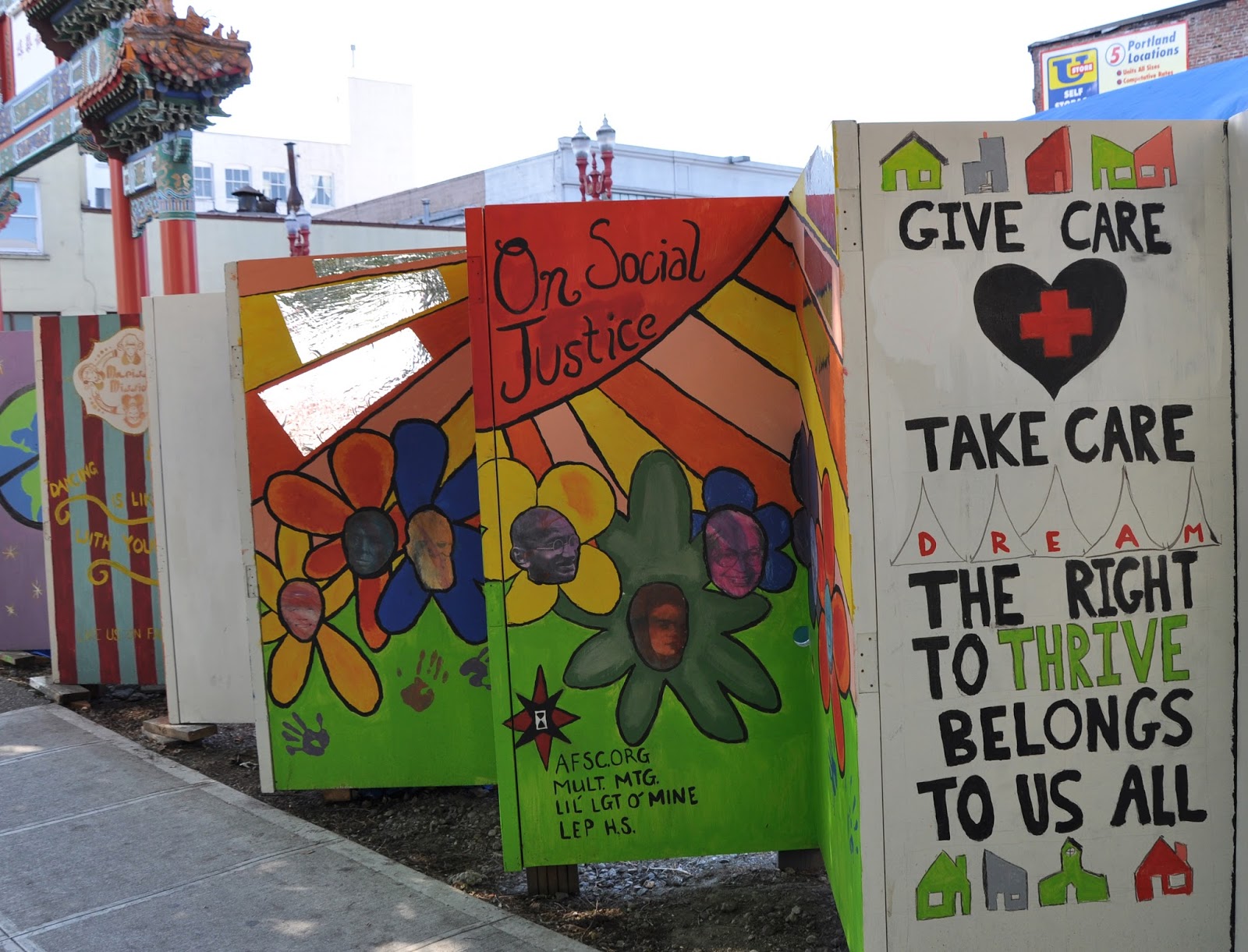
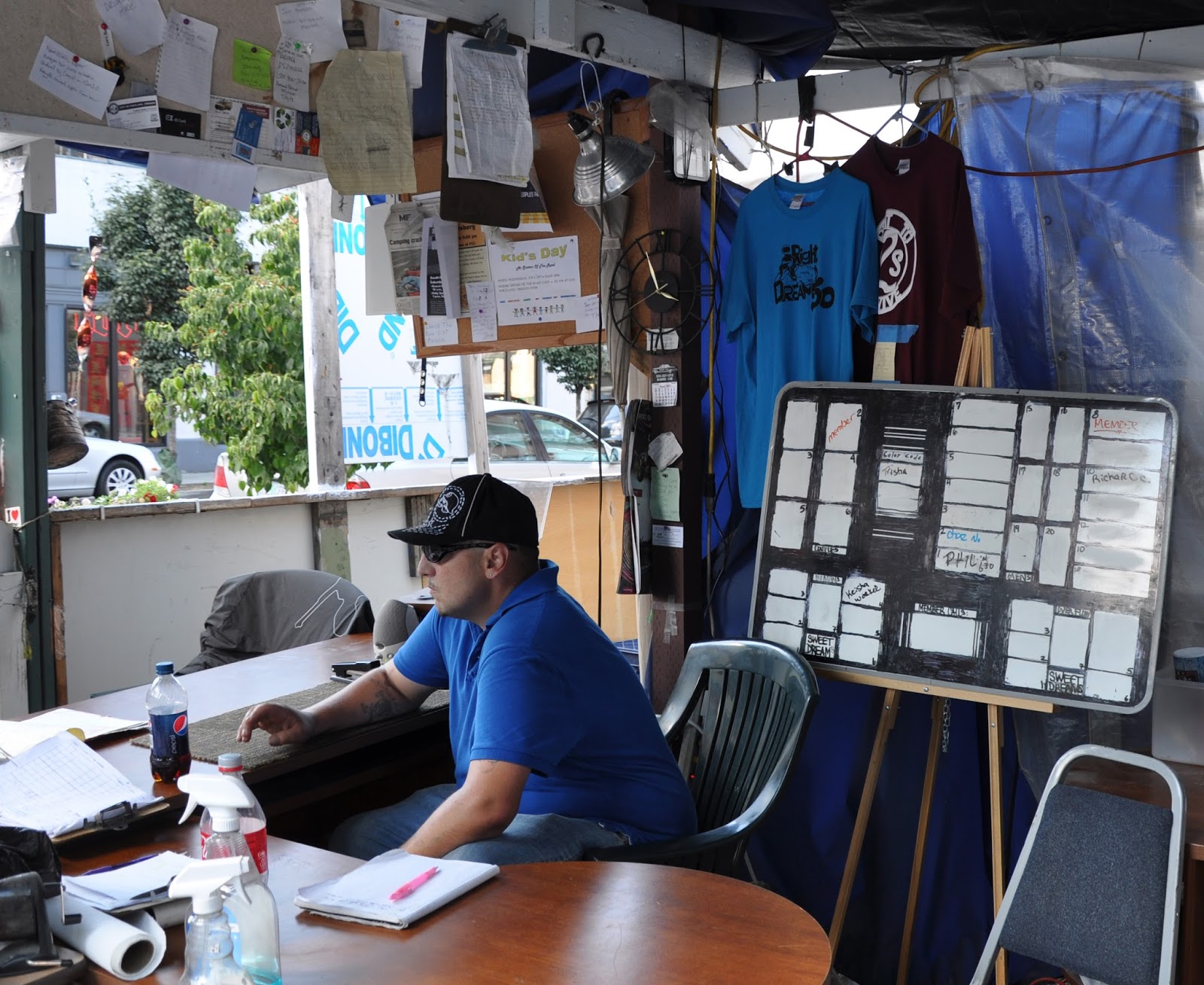
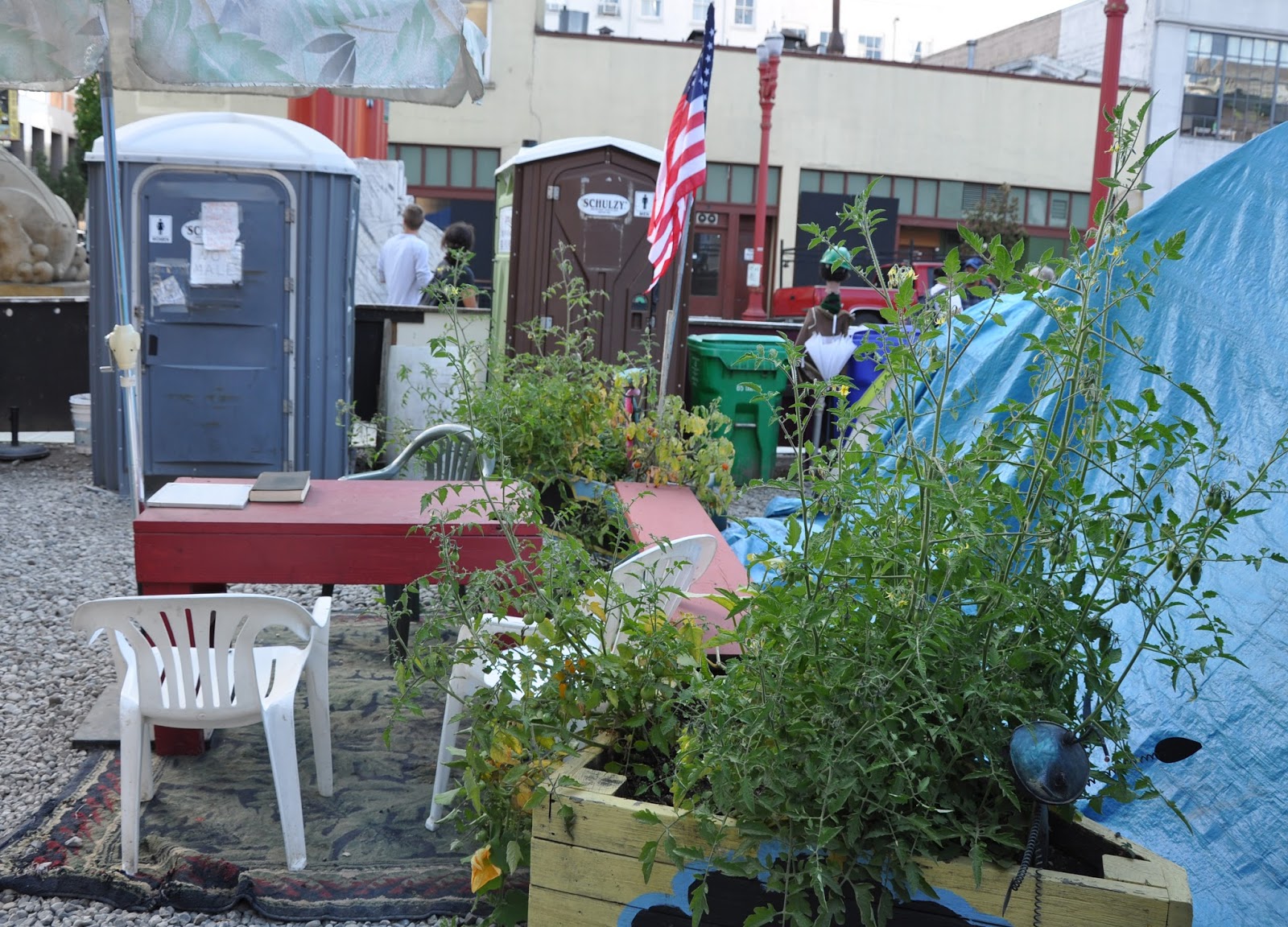
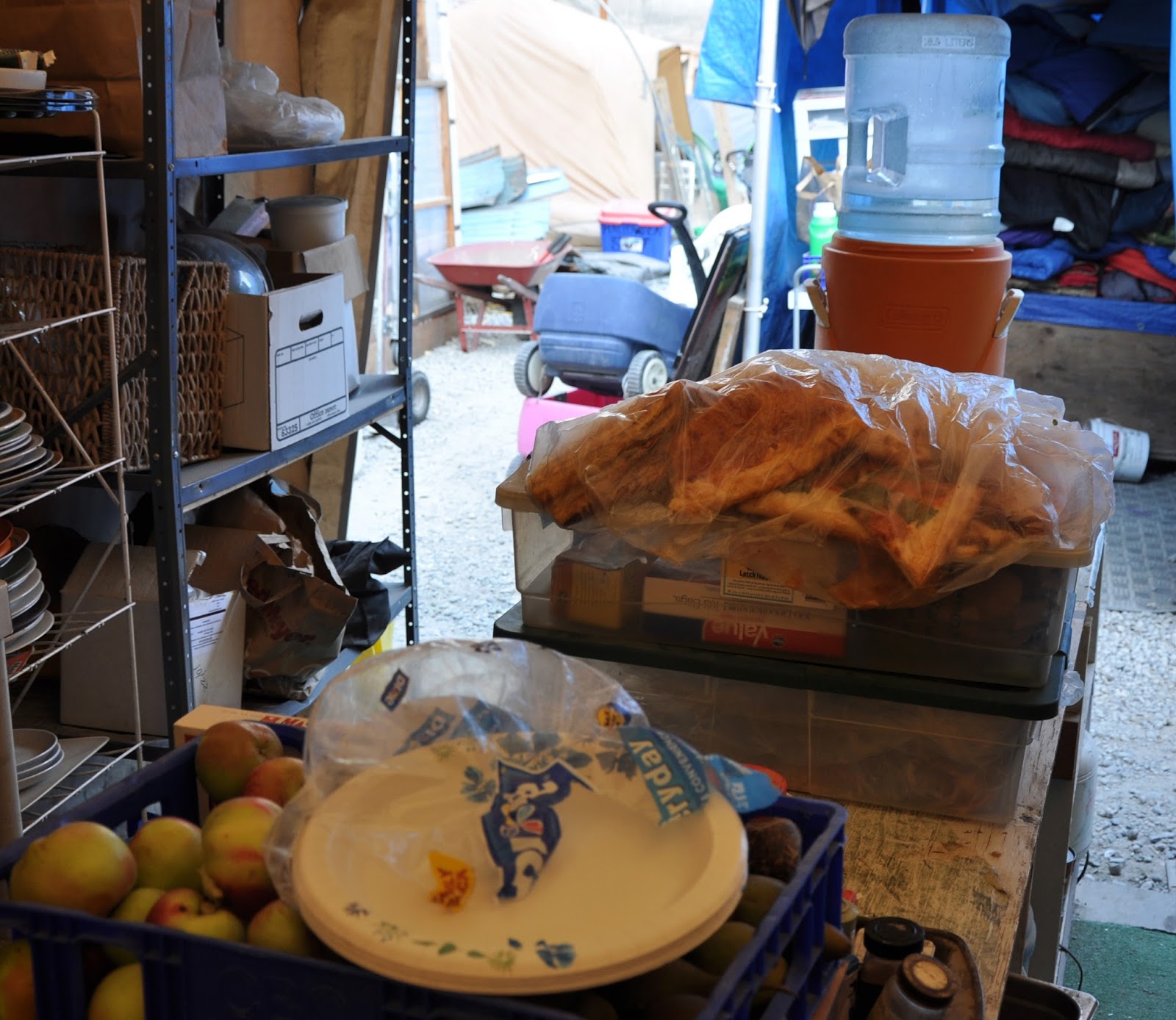
The city is concerned about the use of such a visible location and has previously run off an adult bookstore and a popular food truck from the same site. A group called Right 2 Survive rented the lot and provides shelter and services to about 90 people each night. The city hopes to force them away from popular attractions such as Voodoo Doughnuts and the sign depicting the unofficial slogan “Keep Portland Weird” by issuing a monthly fine for unpermitted camping. After two years, the fines totaled more than $25,000. The management of the shelter, Right 2 Dream Too (R2D2), argues that this is a homeless rest area, not a campsite, and has petitioned the courts to dismiss the fines and allow them to stay. A decision is pending. In the meantime, R2D2 continues its work to help unhoused people with their daily needs for food, shelter and safety and to transition to a more stable home. They offer computers with internet access to search for jobs and maintain contact with family and friends. Bicycles are available on loan for transportation and the residents grow vegetables and herbs and run a kitchen from a tent to feed themselves. They provide their own security for the area which is surrounded by a low fence and a series of re-purposed doors. 

The vulnerability of Portland’s homeless people was highlighted recently when a police sergeant witnessed Terrence Jones of the Houston Rockets, 6’9” and 252 pounds, stomp on the legs of a 46-year old man who was sleeping in a doorway. The Portland native was only charged with misdemeanor harassment  and many feel this is a prime example of the callousness the city has towards its unhoused residents. In a city so vibrant and beautiful, and developed with such careful planning for efficient use, one would expect to find a more holistic, thoughtful approach. Not a war against its poorest residents.

Debby Yoder is a Contributor to Social Shutter as well as a student at Georgia State University majoring in Sociology. She can be contacted at debby.yoder@gmail.com.

Originally published on August 25, 2013 at: http://socialshutter.blogspot.com/2013/08/unhoused-in-portland.html
Roller Derby

Saturday, August 10, 2013

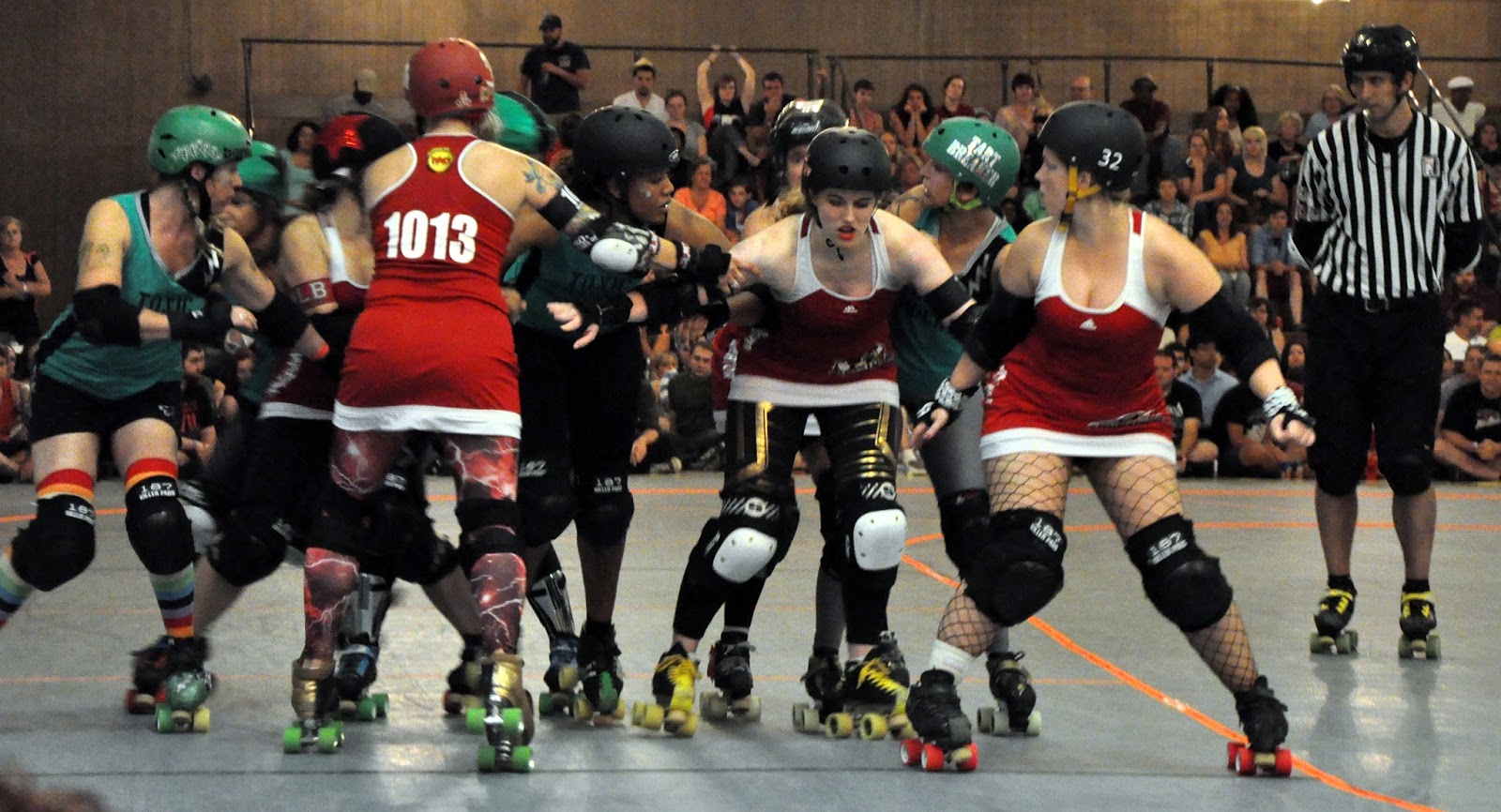
Posted by Debby Yoder, ATLANTA, GA — Roller derby is an exciting sport played on old fashion roller skates (the four wheelers). No ball is involved; it’s all about a skater trying to pass the other skaters for points. Both teams are playing offense and defense at every moment. There is hitting, blocking, and very physical play as one team tries to stop their opponent while clearing the path for their own skater to jump ahead. Roller derby incorporates the speed and physicality of hockey with the team playing of basketball, as well as the defensive strategies of football. Yet it resembles none of them in any way. 

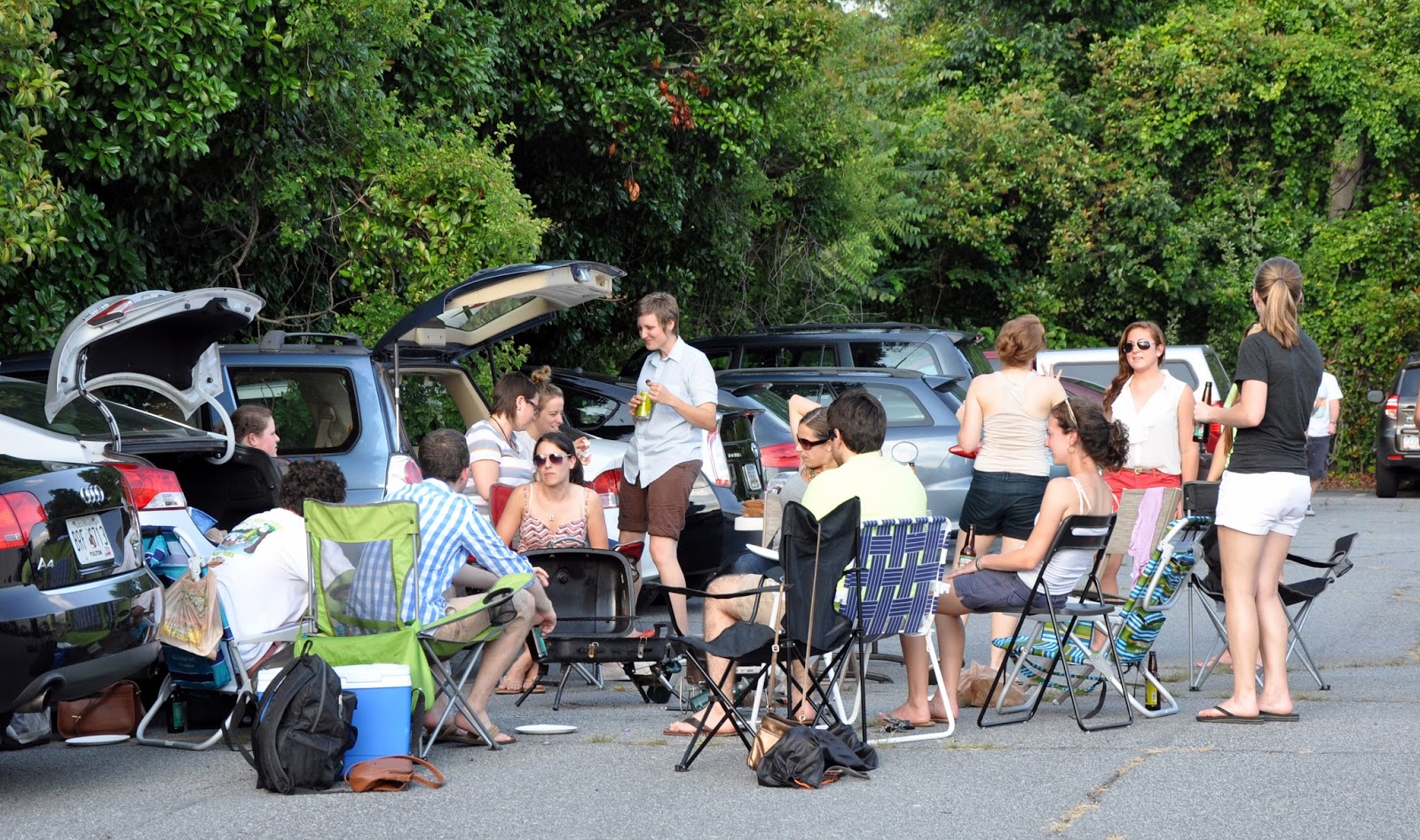
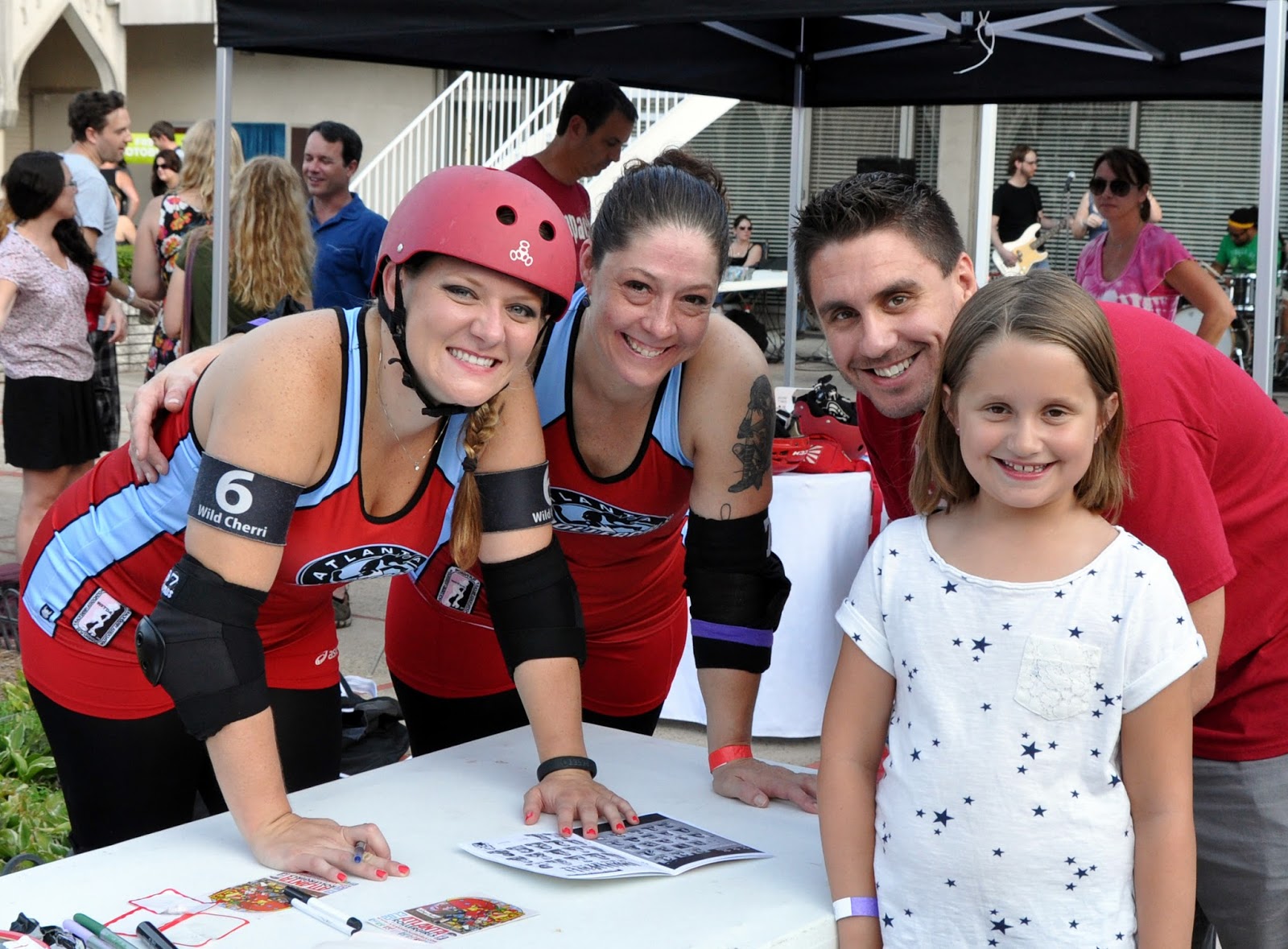
The Atlanta Women’s Roller Derby League has sold out every match since it began in 2008. No other Atlanta sport has such a loyal following. Additional leagues have formed in nearby Marietta and Athens. A subculture has emerged. Outside the arena there is always a homegrown carnival-like atmosphere with local artists and vendors selling their creations, groups tailgating before and after the bouts and everyone ready to have fun.

Roller derby players come all walks of life – local teachers, executives, software developers – and many more.  They run the leagues themselves, bring their families to the games, and take community involvement seriously.  Many derby leagues have partner kid’s leagues such as Atlanta’s Derby Brats where young girls can learn to recognize their own abilities and work as a team.

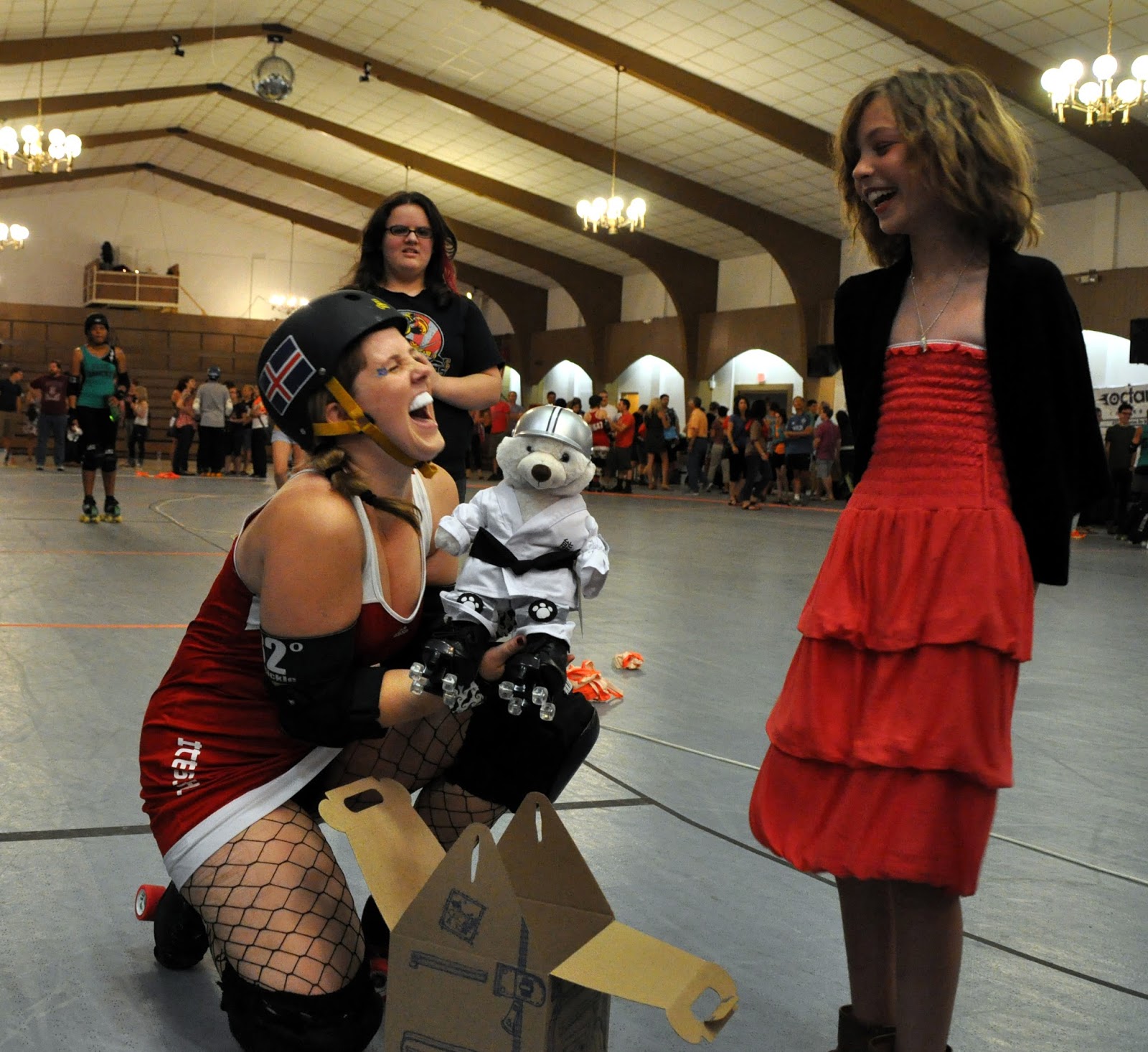
Atlanta’s league has several individual teams that complete against each other and an all-star team that competes against other leagues. The teams feature great names like the Sake Tuyas and Apocalypstix. Individual skaters adopt personas with special derby names such as Queen Loseyateefa, Bruze Orman, Hate Ashbury and Juggs Judy. The all-star team is ranked in the top 10 teams in the world. Fans are extremely loyal to their favorite skaters and when Ice Sickle, a league favorite, announced her plans to return to her native Iceland, fans turned out to offer gifts and say goodbye. 

Debby Yoder is a Contributor to Social Shutter and a Sociology major at Georgia State University. She can be contacted at debby.yoder@gmail.com.

Originally published on August 10, 2013 at: http://socialshutter.blogspot.com/2013/08/roller-derby.html

Mixed Use: The Historic Cemetery that Feels Like A Public Park

Saturday, March 23, 2013

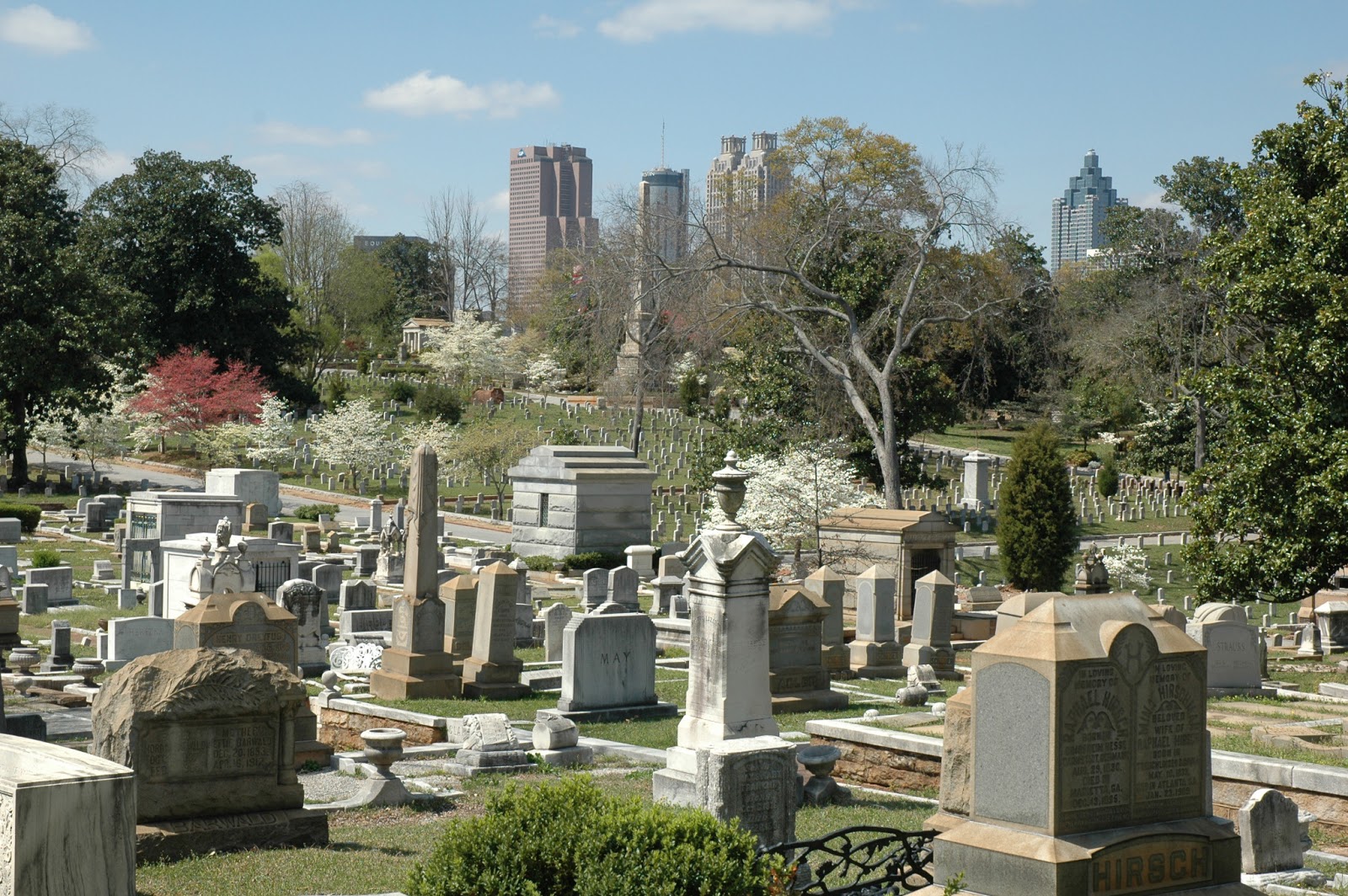
Posted by Debby and Hubert Yoder, ALTANTA, GA — Oakland Cemetery,  right in the heart of Atlanta’s Grant Park neighborhood and not far from downtown, was established in 1850 before the concept of public parks had emerged. Back then people would go to the cemetery to picnic, spend time outside and enjoy nature. Oakland has extensive pathways that wind through each section allowing one to observe the changes in Atlanta over time and the different customs to honor those who have passed. 

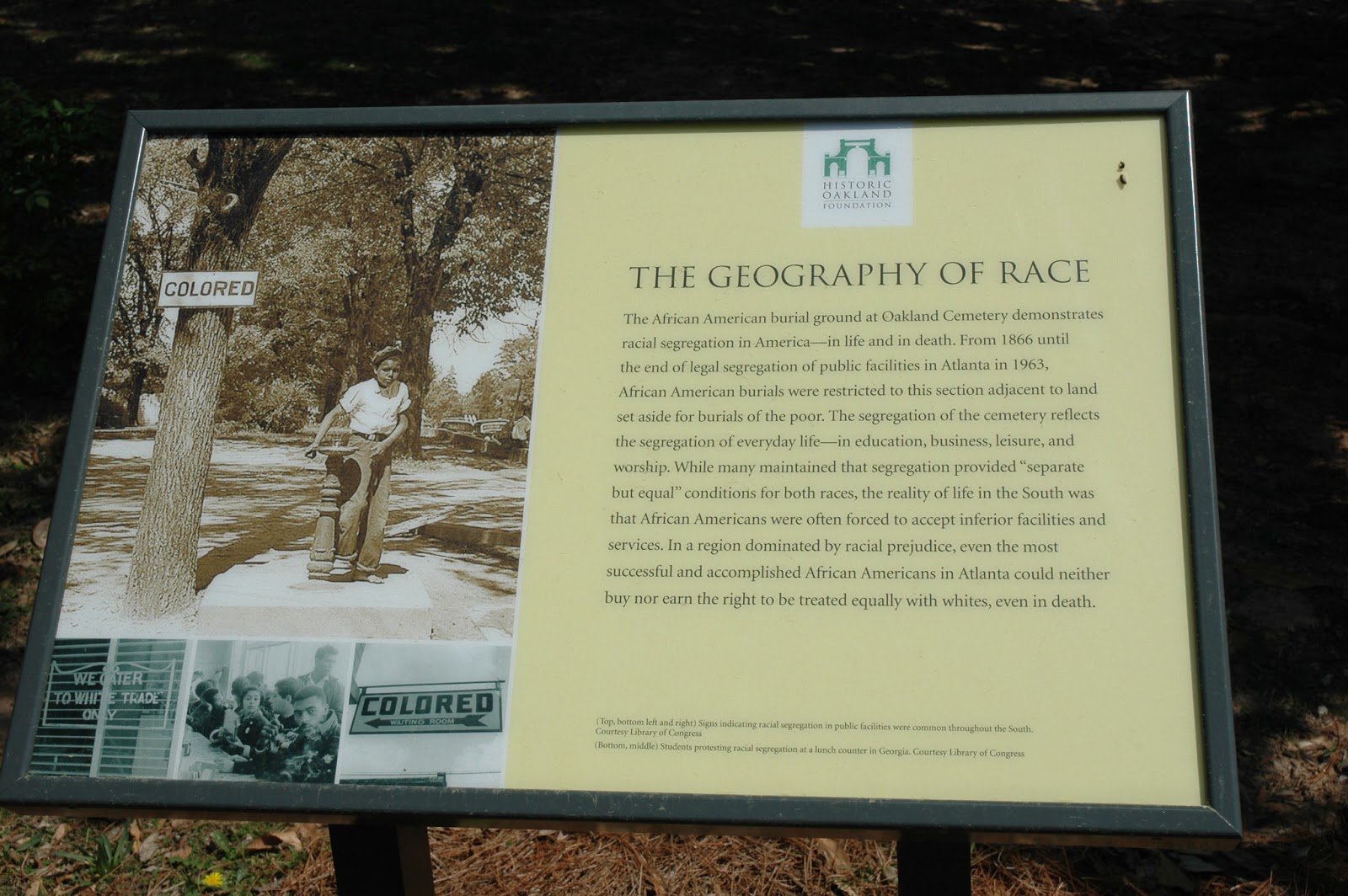
Designed during the period when slavery was the local practice, the cemetery was divided into separate sections for whites and Blacks. The white section is near the front with family plots featuring huge markers erected in tribute. The African American section is near the back of the original six-acre site. Blacks were typically buried without personal information, listed instead under the name of their master, many on wooden headstones that have not survived. Nearby is the open green space of Potter’s Field, where the poor were buried. 

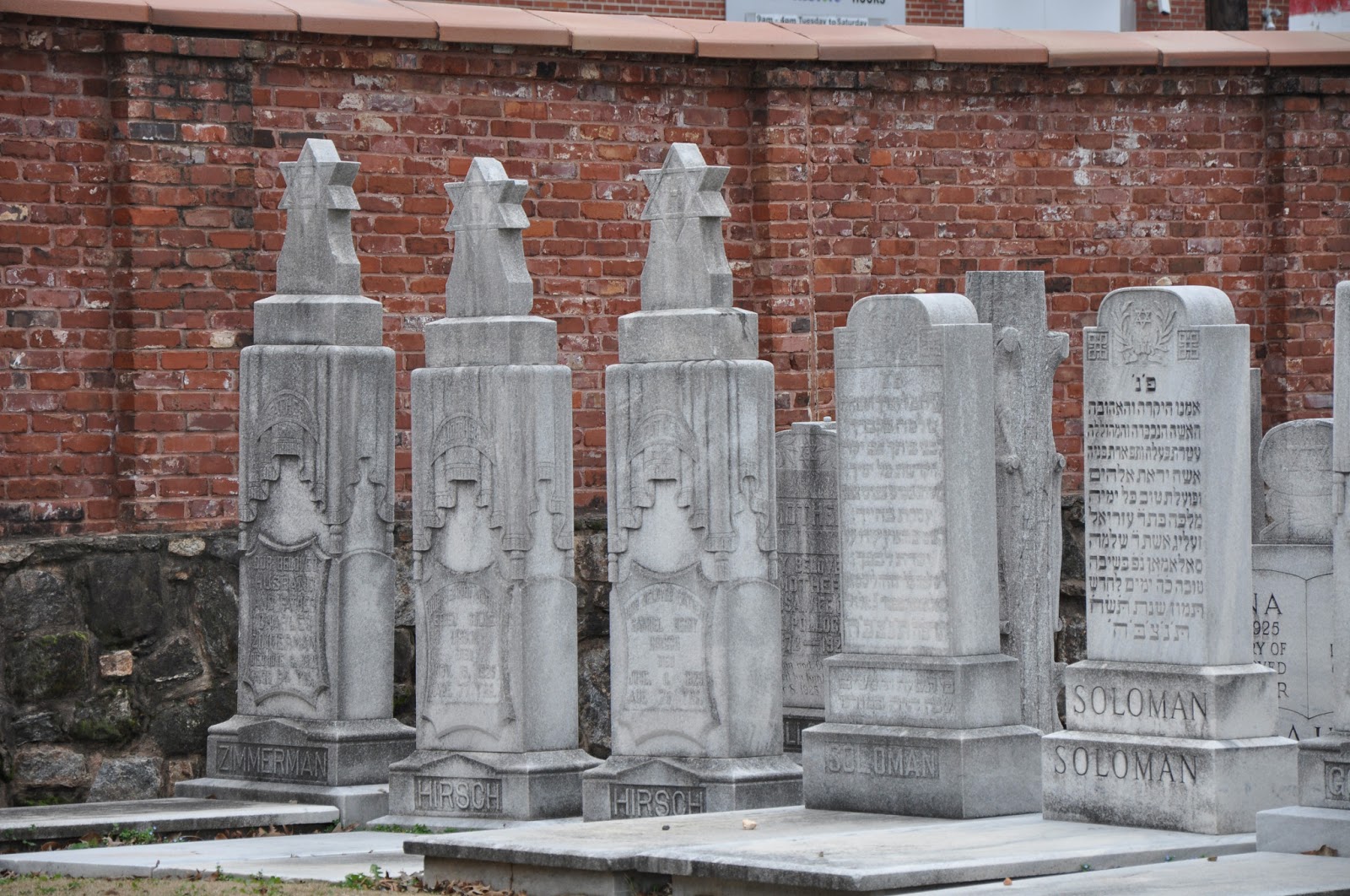
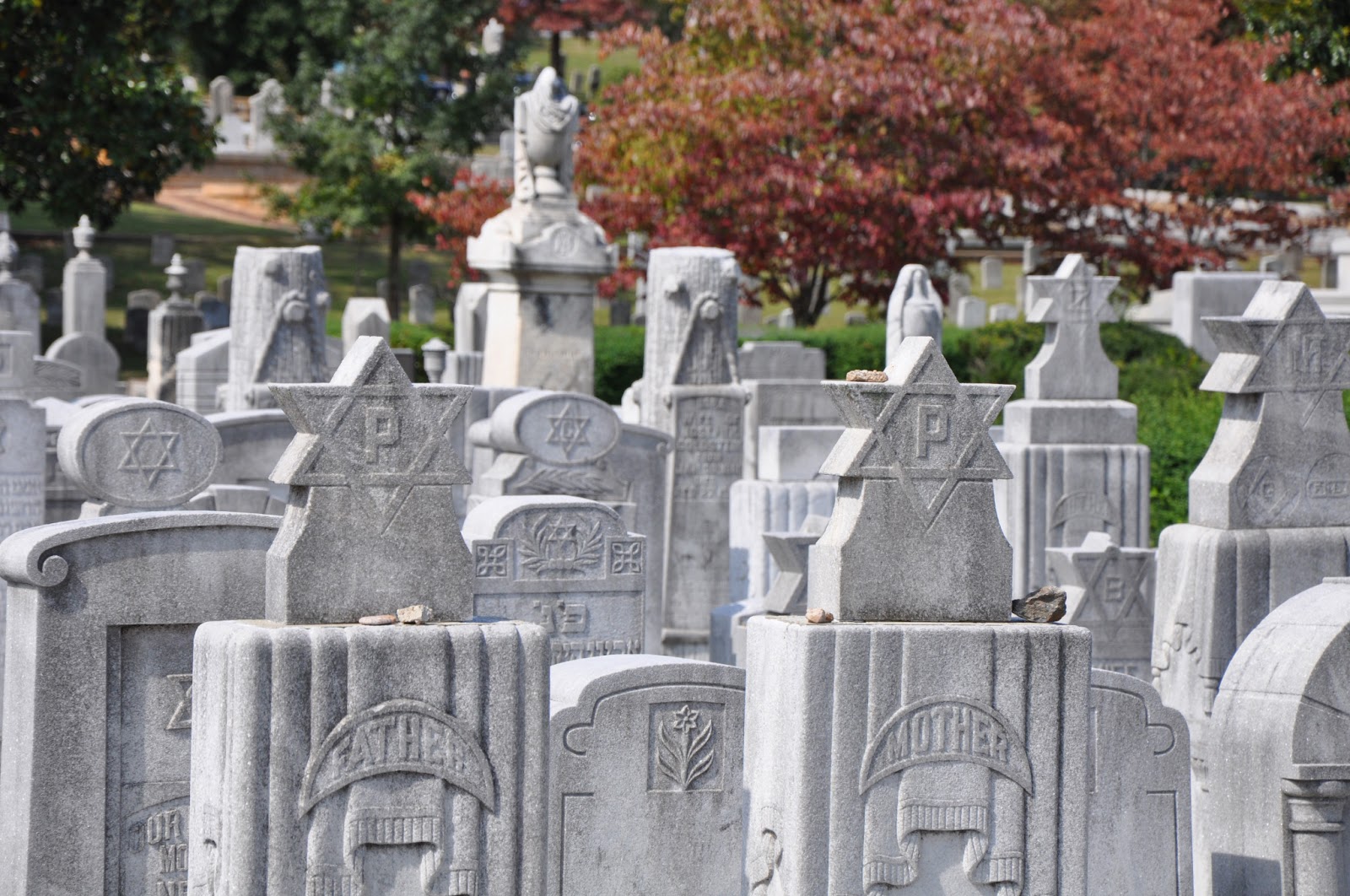
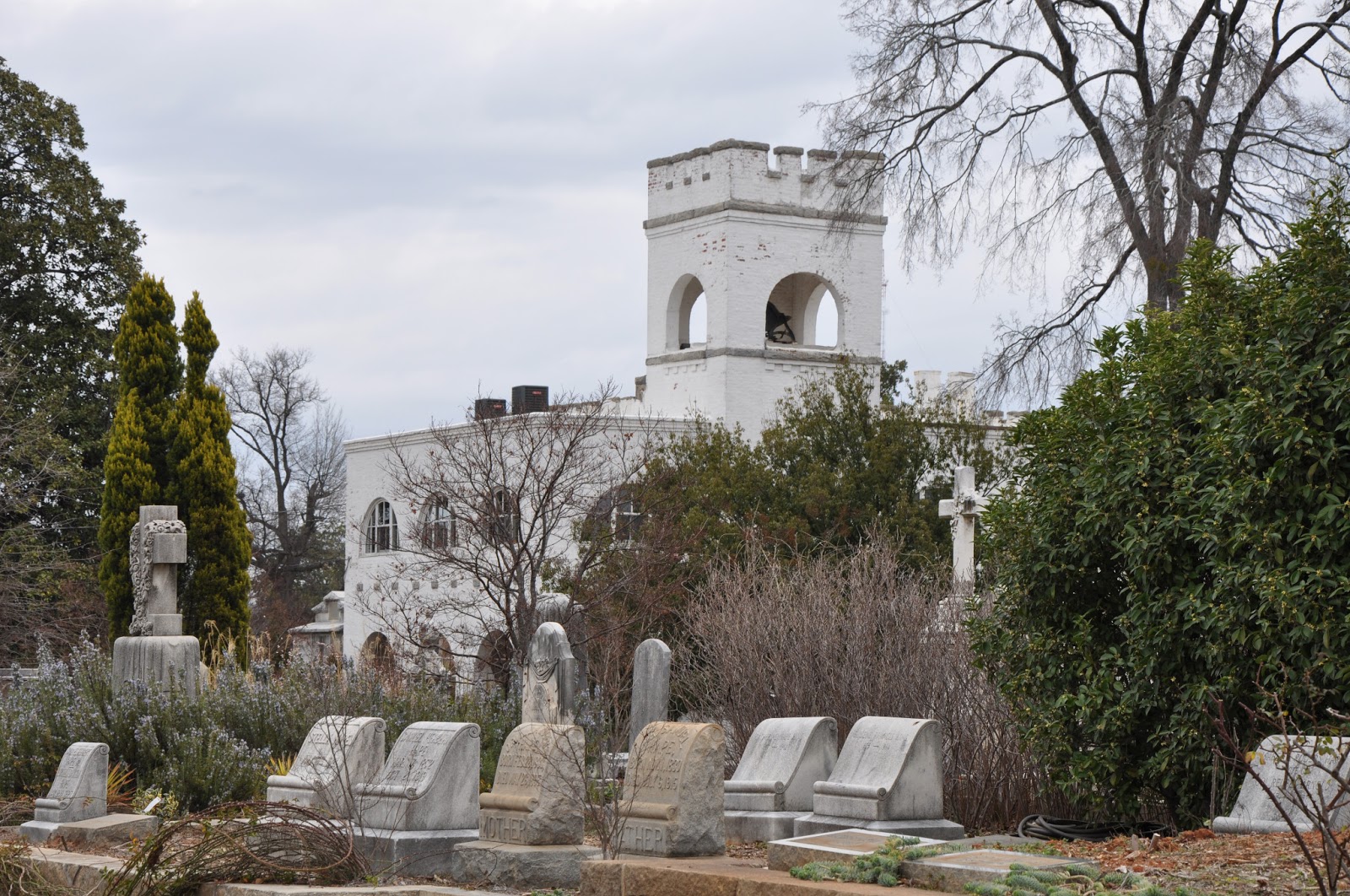
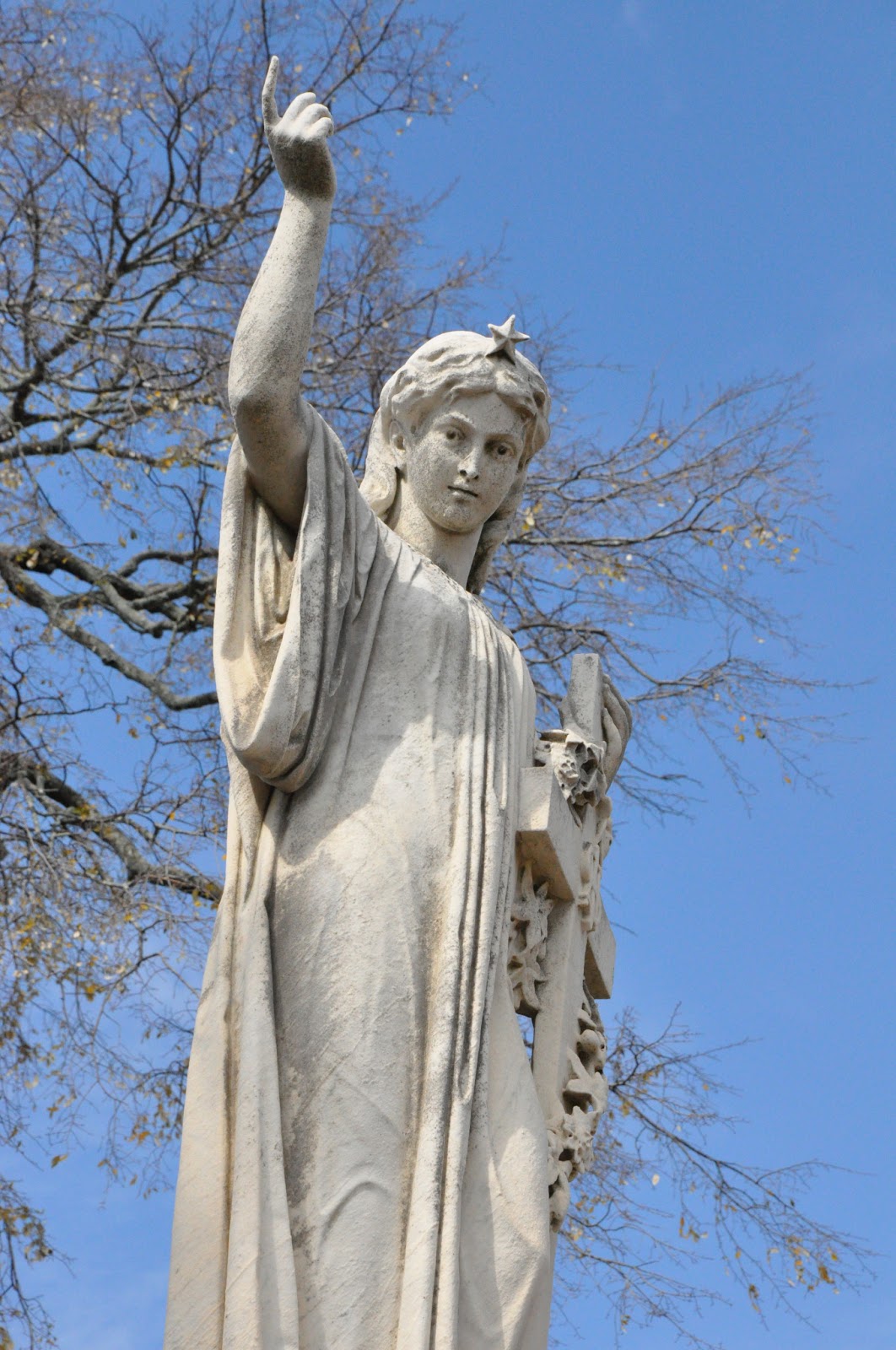
Oakland has a large Jewish section were the graves are crowded together and feature tall headstones written in Hebrew. Many have stones left behind by visiting family members. The cemetery population grew rapidly during the Civil War and several acres were added to accommodate the soldiers who died. After the war, a number of tributes were erected. There is a Bell Tower, complete with gun turrets, to mark the spot where the Confederate commander watched the Battle of Atlanta; an obelisk, once the tallest structure in Atlanta, to mark the Confederate section; and a lion statue that guards the tombs of the unknown soldiers. In this area, the dead were buried in mass graves, sometimes because their names were not known, at others because the numbers of people who died were simply too great to accommodate individually. At the edge of this plot sit a few individual headstones erected by family members long after the war. 

Not long ago three generations paid tribute on the 150th anniversary of their ancestor’s death. The family brought a replica of his uniform jacket, made from the only known photo of him, a confederate flag and flowers to remember the young man who died of smallpox contracted during training, never having made it to battle.

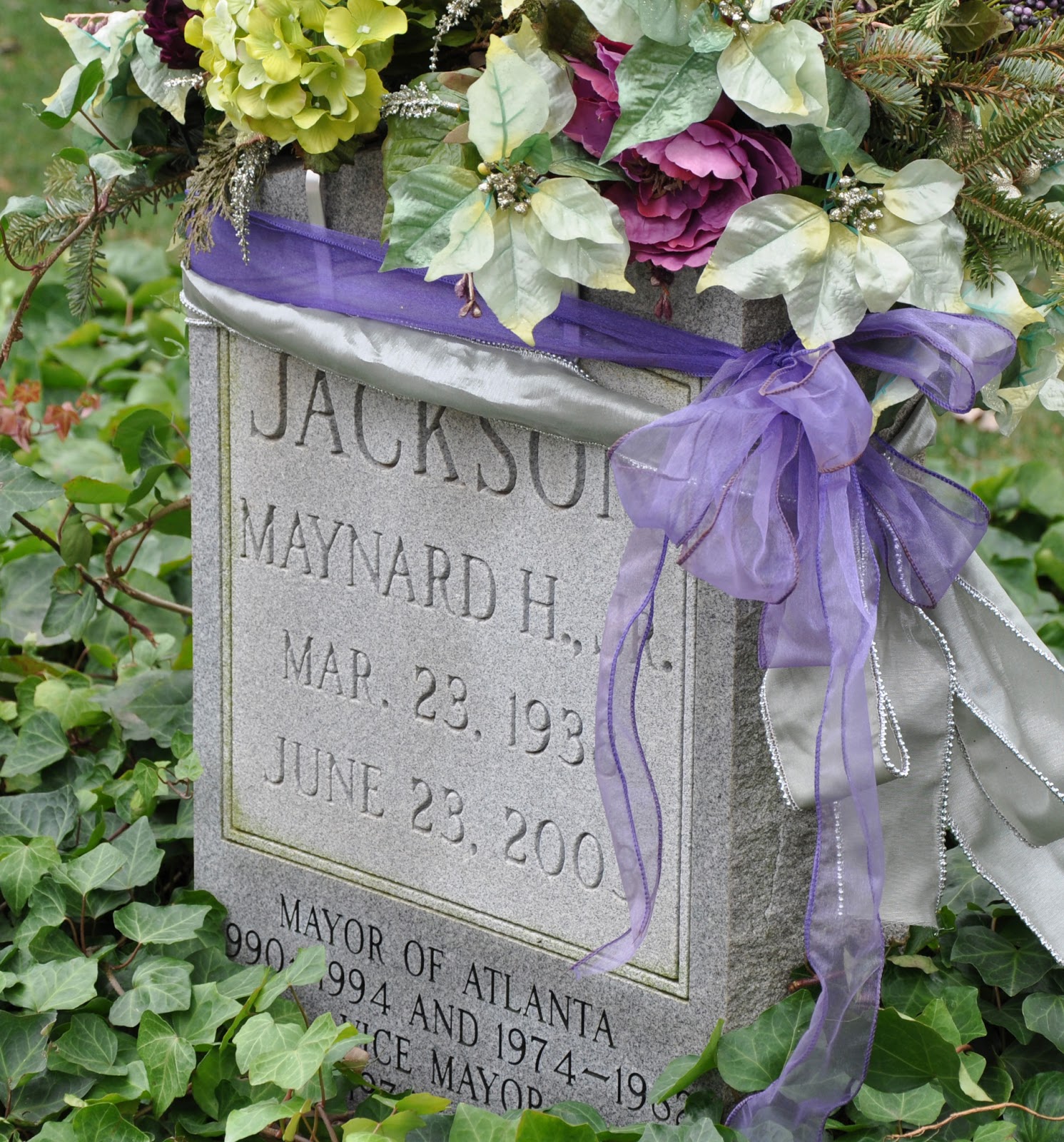
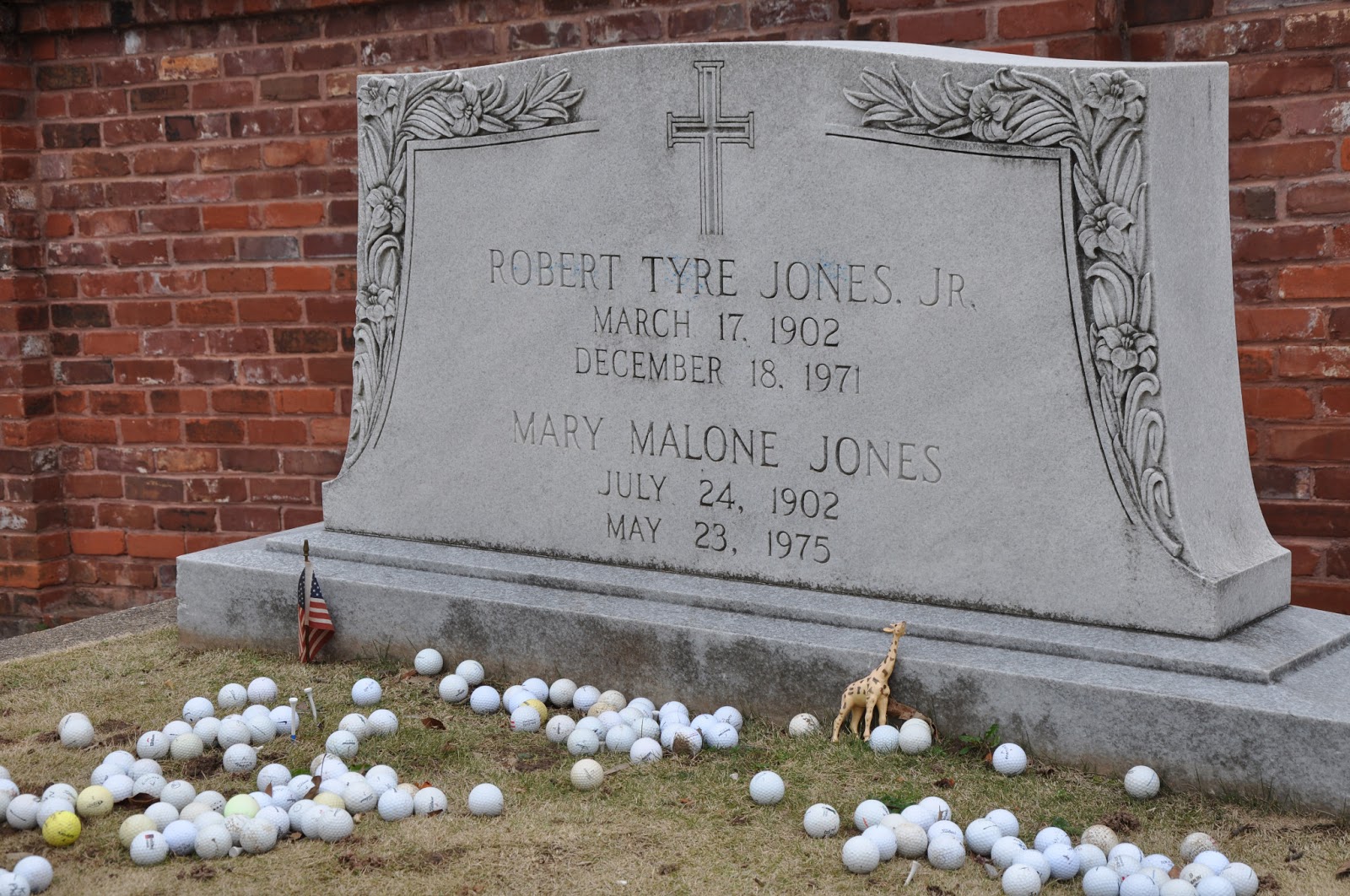
Many of Atlanta’s prominent citizens are buried here including Maynard Jackson, Atlanta’s first Black mayor and architect of many key changes in the operations of the city, Margaret Mitchell, author of Gone with the Wind, golfer Bobby Jones, and Bishop Wesley John Gaines, founder of Morris Brown College.

Oakland hosts a number of events each year including Sunday in the Park when the mausoleums are opened and a costume contest held. Volunteers dress as those interred and tell their life stories. Halloween brings evening ghost tours and a Run Like Hell 5k. Recent redevelopment in the area has brought many new residents and the cemetery has the feel of a public park once again. Many neighbors jog, walk their dogs, or lounge in the green space Oakland provides. The cemetery is protected by brick walls and a sizable archway entrance. To cross under it is to escape into another world, reminiscent of stepping into New York’s Central Park from bustling Manhattan. 

Debby Yoder is a Contributor to Social Shutter as well as a student at Georgia State University majoring in Sociology. She can be contacted at debby.yoder@gmail.com. Hubert Yoder is Debby’s father and retired after working in information systems at McDonnell Douglas, EDS, and IBM. Photography is now his work and hobby. He can be contacted at hyoder@gmail.com.

Originally posted March 23, 2013 at: http://socialshutter.blogspot.com/2013/03/mixed-use-historical-cemetery-that.html